Stocks● Neutral
Smart Toilets Enter Health Tracking: $10M Throne Round Signals Sector Growth
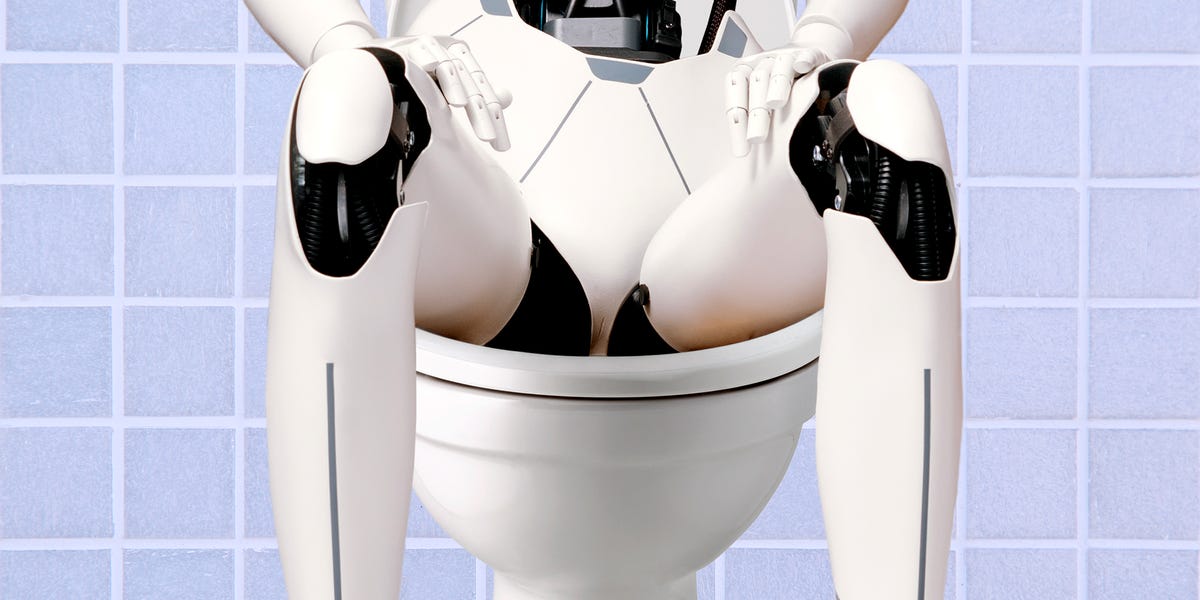
Throne Science raised $10M as smart toilets with AI stool analysis gain traction. TOTO, Kohler, and Vivoo join the push. Doctors see utility but warn science lags the hype.
Continue with
The smart toilet industry is moving beyond heated seats and bidets. A growing number of startups and established bathroom-fixture companies are adding health-tracking sensors, cameras, and AI that analyze stool and urine. The pitch: give consumers and doctors an objective record of bowel habits, hydration, and potential warning signs.
Throne Science, a startup cofounded by WHOOP cofounder John Capodilupo, shipped its first devices to customers in January and closed a $10 million Series A round last week, according to the company. Throne sells a camera that clips onto the toilet bowl. It uses AI trained with input from gastroenterologists to classify stool consistency and urine color, then maps trends in a phone app. Users can also consult an AI gut-health coach.
Brian Comiskey, senior director of innovation and trends at the Consumer Technology Association, said the category started taking off in 2023, driven by better sensors and AI, rising concern about digestive health, and the success of wearables. He told Business Insider this is the year it has come into its own.
TOTO, the Japanese bathroom giant, launched Stool Scan in Japan in the last 18 months. The system uses LED technology built into its Neorest toilet models to measure stool shape, consistency, color, and volume, and relays the findings to an app. TOTO plans to bring the model to the U.S. in early 2027, Bill Strang, the company's president of corporate strategy, told Business Insider.
Kohler's Dekoda is a clip-on optical sensor that screens stool for signs of blood and urine for signs of dehydration. Vivoo's Smart Toilet analyzes urine and hydration. Withings' U-Scan is a toilet-mounted device that analyzes urine. Comiskey traces the evolution from early chemical-cartridge devices to the current generation of optical sensors, computer vision, and AI that require less user intervention.
The technology appeals to gastroenterologists because patients are notoriously bad at recalling their bowel movements. Kyle Staller, a gastroenterologist at Massachusetts General Hospital and Harvard Medical School, said it is useful to have objective data to qualify a patient's perception. Brennan Spiegel, a gastroenterologist and director of health services research at Cedars-Sinai, agreed. If a patient showed up with an electronic stool diary, he said, he would use it, especially when changing medication or assessing treatment response.