Six months into Iran war: Oil volatile as standoff defies resolution
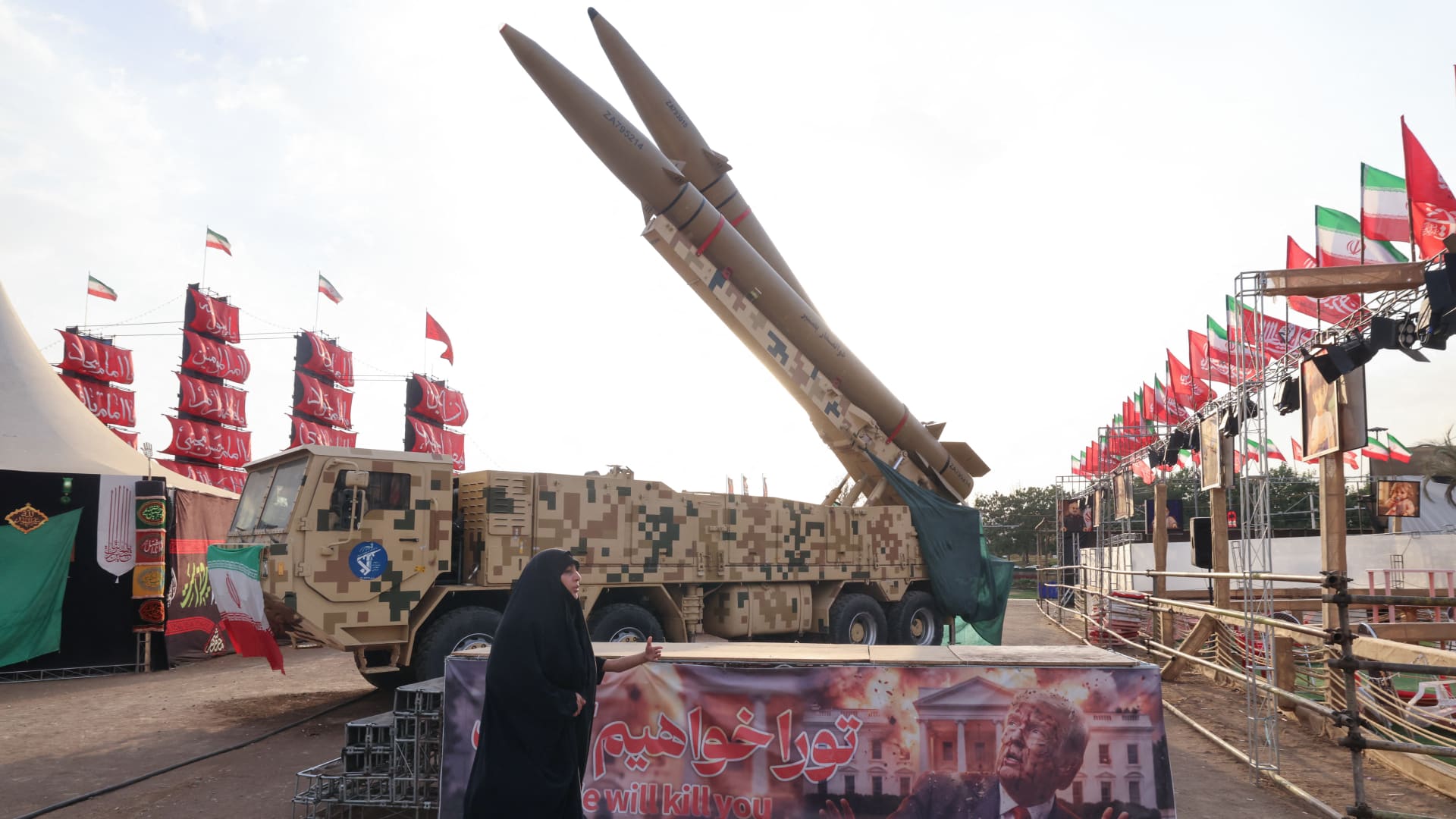
Six months after the U.S. launched major combat operations in Iran, a military standoff has hardened. White House strategy shifted to economic pressure, but analysts see no end in sight.
Friday marks six months since the U.S. and Israel launched major combat operations in Iran, triggering retaliatory strikes across the Gulf. What was expected to be a weeks-long conflict has hardened into a standoff that analysts say has no near-term resolution.
The White House has shifted strategy, focusing on financial pressure rather than military escalation. President Donald Trump labeled the approach economic D-Day. Middle East experts told CNBC the pivot is unlikely to force Iranian capitulation.
Gregory Brew, a senior analyst specializing in Iran and energy at Eurasia Group, said the conflict has lapsed into a standoff with neither side apparently ready to escalate or make concessions. The U.S. backed away from escalating strikes on Iran, he said, seemingly deterred by the risk of significant retaliation and concerns that another round of heavy fighting would further deplete munitions stockpiles.
Trump opted for a pressure campaign, a wait-and-see approach, hoping economic pressure compels the Iranians to capitulate, Brew told CNBC. He said a breakthrough does not look imminent. It is unlikely to work, Brew said of the economic strategy. Iran has been very resilient in the face of U.S. economic pressure and faces the worst economic crisis since the 1980s, he added. Its leadership is more likely to resist and escalate than to give in to U.S. demands.
Will Todman, a senior fellow with the CSIS Middle East Program, agreed that the U.S. had pivoted to a new strategy. The D-Day announcement of secondary sanctions on Iran was the clearest sign that economic warfare is now the Trump administration's preferred strategy, he said. There is little evidence to suggest an economic-centric strategy will force the Iranians to capitulate or make more substantial concessions in talks.
Steven A. Cook, Senior Fellow for Middle East and Africa Studies at the Council on Foreign Relations, said the Iranian leadership is prepared to endure a lot of hardship and inflict a lot of pain on its own population. That suggests they will not give up or compromise so quickly, he said. There is no telling how long this will go on. The president thought the war would last four to six weeks. He never expected them to resist effectively. The Iranians have now discovered the power of their geography and seem unwilling to give up on controlling the Strait of Hormuz.
Dennis Ross, a former U.S. diplomat who served as special Middle East coordinator under President Bill Clinton, said Trump does not want to resume all-out military operations. His new approach is to tighten the economic noose around the Iranians, Ross told CNBC. Over the years, the Iranian regime has become good at workarounds and evasion of sanctions, he said. The combination of the blockade and what may be tighter enforcement of sanctions will put more pressure on an Iranian economy already in free fall, Ross added in an email. That said, this Iranian leadership does not mind imposing hardship on its public and thinks it can outlast the president.
If the new approach succeeds in squeezing the Iranian economy significantly more, Ross added, Tehran would likely escalate militarily or target its neighbors' ability to export.
Oil prices remain volatile. Front-month Brent crude futures have gained almost 20% since the war began. The contracts now trade about a third below their April peak of $126.41 a barrel. The oil market remains in backwardation, where near-term deliveries sell at a premium over later ones, suggesting an expectation that prices will fall over time.
Equity markets have largely shrugged off the conflict. Global stocks rallied this year as corporate earnings optimism outweighed war concerns.
Trump told Al Jazeera on Wednesday that he was prepared to continue the war as long as necessary. Experts said a lack of clarity on Washington's objectives made it impossible to define victory.
The Trump administration has still not defined what victory for the United States would look like, although it has articulated wide-reaching goals, Todman said. These range from ending Iran's nuclear program to opening the Strait of Hormuz to regime change. It is therefore impossible to determine if the U.S. can win or not. Iran feels emboldened by its ability to withstand six months of war with the United States and Israel despite having far inferior military capabilities, he added.
Michael O'Hanlon, director of research in the Brookings Institution's Foreign Policy program, said Trump had blundered in getting into a war with unrealistic expectations of what it would entail or how long it would last and had settled on the least bad option. Whether we win or lose in a zero-sum sense against Iran, we should worry about three central things, he said: reducing the violence, reopening Hormuz, and putting a long-term lid on Iran's nuclear program. If that happens, our core strategic objectives will be realized whether we have bragging rights to have won the war or not.
A White House official told CNBC that the U.S. is now entering the endgame of its war. The Iranian government has also been approached for comment.
Drafted by a large language model from the source reporting linked above, then screened by automated publishing checks. It is not read by a journalist before publication. Some articles cite our Alpha Score. Verify prices and figures against the original source. Educational coverage, not personalized advice.