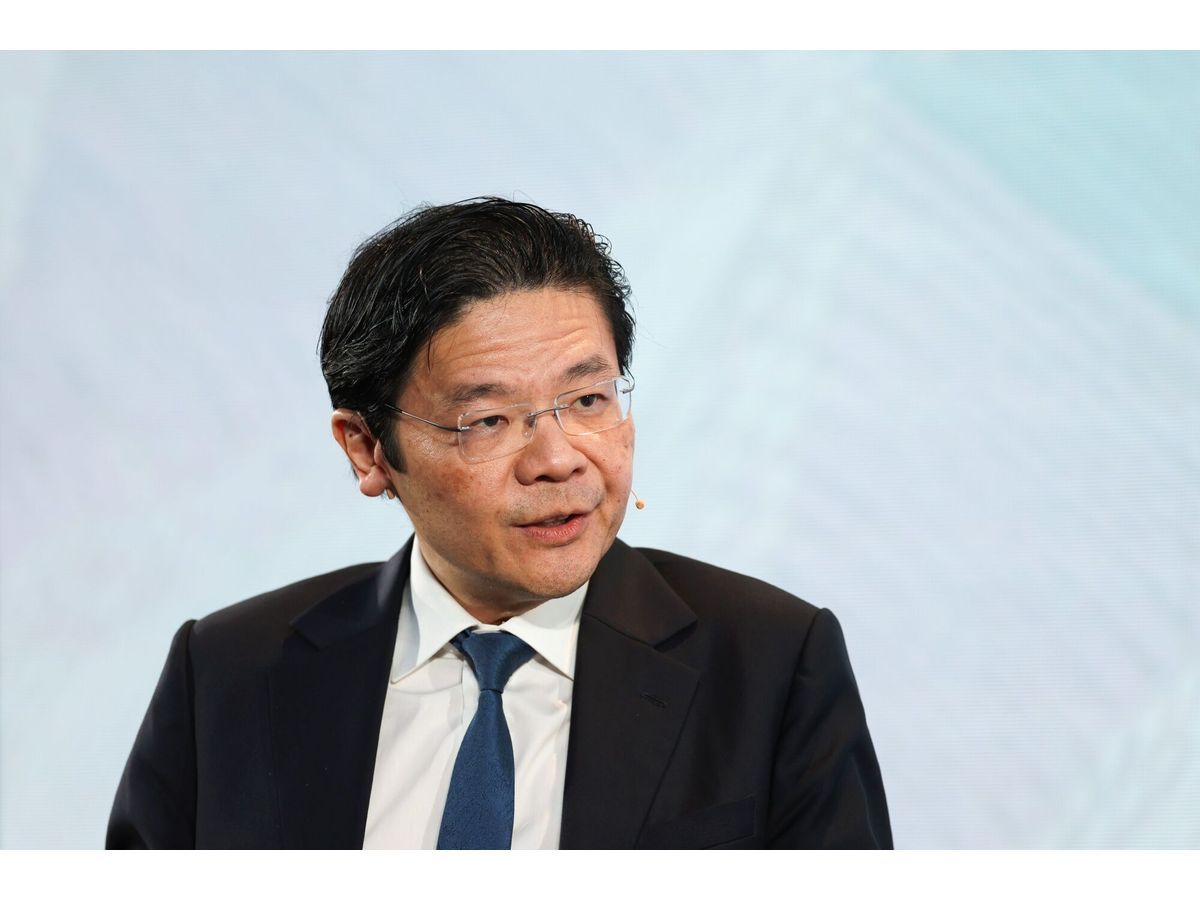
Singapore Prime Minister Lawrence Wong has issued a formal warning regarding the scale of upcoming economic disruptions, citing the dual pressures of geopolitical volatility and the rapid integration of artificial intelligence. The administration is shifting its policy focus toward aggressive workforce support mechanisms to mitigate the potential for labor displacement. This pivot reflects a broader recognition that the current global environment, marked by regional conflicts and shifting trade dynamics, requires a more resilient domestic economic framework.
Workforce Resilience in the Age of Automation
The government's strategy centers on the necessity of continuous skill acquisition for the local workforce. By prioritizing support for workers navigating AI-driven transitions, the administration aims to prevent the structural unemployment often associated with rapid technological adoption. This focus on human capital is intended to serve as a buffer against the volatility inherent in global technology supply chains. The policy signals a departure from passive market observation toward active intervention in labor market dynamics.
Geopolitical Risk and Economic Stability
Beyond the technological frontier, the Prime Minister highlighted the impact of regional conflicts on Singapore's open economy. The uncertainty stemming from ongoing tensions in the Middle East complicates the nation's reliance on stable global trade routes and energy pricing. These external factors are forcing a reevaluation of how the country manages its industrial output and service-sector stability. The government is now prioritizing long-term strategic autonomy to insulate local industries from sudden shifts in international policy or security conditions.
AlphaScala Data and Market Context
Market participants are currently evaluating how these policy shifts influence the broader technology sector, particularly for firms with significant exposure to regional infrastructure and digital transformation services. For instance, companies like ServiceNow Inc. (Alpha Score 51/100) and Shopify Inc. (Alpha Score 43/100) operate within the same digital ecosystem that the Singaporean government is attempting to stabilize through its new workforce initiatives. While these firms maintain a mixed outlook in our current data, the regional emphasis on AI integration suggests a potential shift in the demand profile for enterprise software solutions in the coming quarters.
This policy shift sets up a critical follow-up marker for investors: the upcoming legislative session where the government is expected to detail the specific funding mechanisms for these workforce support programs. The scale of these fiscal commitments will likely dictate the pace of local AI adoption and the degree to which domestic firms can successfully integrate new technologies without triggering significant labor market friction. The next indicator of success will be the alignment between these government-led training programs and the actual hiring requirements of the technology sector as it navigates this period of transition.