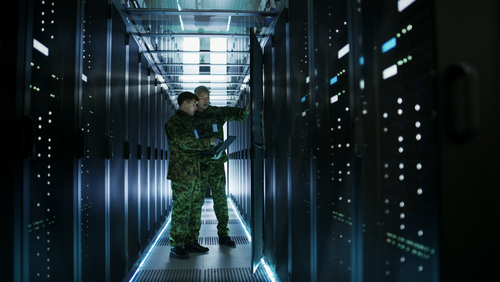
SignalTrace collects identifiers from phones, watches, cars, and even pet microchips. The stated goal is to "bridge the gap between vehicle and occupant." Privacy advocates warn the system reconstructs an individual's entire pattern of life.
For years, license plate readers were sold as tools to catch stolen vehicles and fugitives. That pitch is now obsolete.
A new surveillance platform called SignalTrace is being marketed to law enforcement and government agencies. It collects identifiers from smartphones, smartwatches, Bluetooth devices, vehicle infotainment systems, Wi-Fi hotspots, tire pressure sensors, RFID devices, AirTags, and even pet microchips. The system no longer tracks cars. It tracks people.
The stated goal, according to marketing materials, is to "bridge the gap between vehicle and occupant." Authorities want to know who was inside a vehicle, where they went, who they met, and how often they traveled together. The system builds a unique electronic fingerprint from the devices surrounding a person. A phone, a watch, headphones, a car, and a dog's microchip become pieces of a digital identity that can be followed everywhere.
This is how surveillance expands. Governments start with a limited purpose that sounds reasonable. Then the technology advances and the scope becomes limitless. License plate readers were crime-fighting tools. They became databases of vehicle movements. Now they are evolving into systems that reconstruct an individual's entire pattern of life. Privacy advocates warn these systems can reveal where people work, where they worship, where they seek medical treatment, and who they associate with. Once that information exists in a searchable database, every government agency will want access.
SignalTrace is part of a broader trend. Governments are building digital identification systems, expanding financial surveillance, monitoring communications, and centralizing personal data. Law enforcement agencies are seeking nationwide access to license plate reader networks that provide near real-time tracking across the United States. The infrastructure is being assembled piece by piece. Most people see each individual step. They miss the larger picture until the system is fully operational.
The argument will always be security. It is the oldest justification. Every expansion of government power is presented as necessary for public safety. Yet once these surveillance systems are built, they are rarely scaled back. New uses are constantly discovered. Today the target is criminals. Tomorrow it may be political opponents, protesters, journalists, or anyone deemed suspicious by those in power. History shows that governments never surrender tools that enhance control over the population.
The greatest threat is not the technology itself. Technology is neutral. The danger lies in believing that governments, corporations, and bureaucracies can be trusted indefinitely with unlimited access to information about every citizen's movements, associations, and daily life. When your phone, your vehicle, your wearable devices, and even your pet become tracking beacons feeding a centralized surveillance network, the conversation is no longer about crime prevention. It is about the creation of a digital leash attached to every individual. Once that infrastructure exists, the temptation to abuse it becomes inevitable.
Prepared with AlphaScala research tooling and grounded in primary market data: live prices, fundamentals, SEC filings, hedge-fund holdings, and insider activity. Each story is checked against AlphaScala publishing rules before release. Educational coverage, not personalized advice.