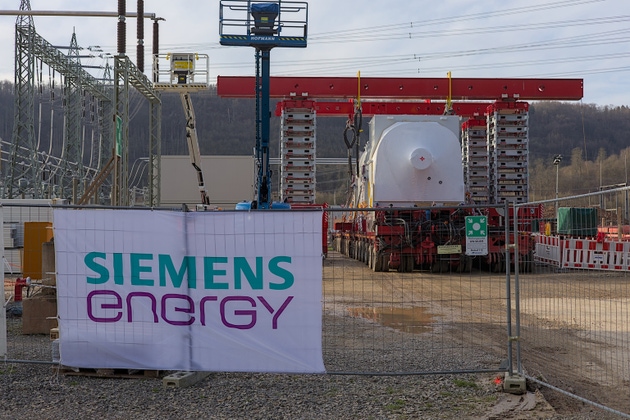
Siemens Energy has lifted its full-year guidance after reporting a significant increase in net profit for the second fiscal quarter. The company’s preliminary results indicate a period of operational momentum that contrasts with previous challenges in its wind turbine business. This upward revision suggests that the firm is successfully navigating its restructuring efforts and stabilizing its core industrial segments.
Operational Turnaround and Profitability
The decision to increase financial targets stems from stronger-than-expected performance across key divisions. By improving margins and streamlining project execution, the company has managed to translate its order backlog into tangible bottom-line growth. This shift is critical for a firm that has spent recent quarters addressing technical issues and cost overruns in its renewable energy portfolio. The preliminary figures confirm that the underlying business is generating cash more effectively than earlier projections anticipated.
Investors are now assessing whether this profitability is sustainable or if it represents a temporary recovery in project delivery. The company’s ability to maintain these margins will depend on its success in managing supply chain costs and avoiding further warranty-related expenses. The revised guidance serves as a signal that management has increased confidence in its ability to meet delivery timelines for large-scale energy infrastructure projects.
Sector Read-through and Industrial Demand
Siemens Energy’s performance provides a useful indicator for the broader industrial and energy infrastructure sectors. As global demand for grid stability and renewable energy integration rises, companies that can demonstrate reliable project execution are gaining a competitive edge. This development highlights the importance of operational discipline in an environment where high interest rates and inflation have pressured capital-intensive projects.
For those tracking the broader industrial landscape, the company’s progress offers a benchmark for how legacy firms are adapting to the energy transition. The shift toward more profitable, high-margin service contracts appears to be a central pillar of the current strategy. This approach reduces reliance on volatile equipment sales and provides a more predictable revenue stream for the long term.
AlphaScala data currently reflects a varied outlook for industrial and technology firms. For instance, Bloom Energy Corp maintains an Alpha Score of 46/100, categorized as Mixed, which can be reviewed further at the BE stock page. While Siemens Energy operates in a different segment of the energy market, its recent guidance hike provides a point of comparison for other firms navigating similar capital-heavy business models.
The Path to Fiscal Year-End
The next concrete marker for the company will be the release of its full, audited quarterly report. This filing will provide the necessary detail on cash flow generation and the specific drivers behind the profit gains. Market participants will focus on the commentary regarding order intake and the status of ongoing wind turbine remediation efforts. Any deviation from the current trajectory in the upcoming detailed disclosure could lead to a reassessment of the revised guidance. The company must now prove that its improved performance is a structural change rather than a seasonal anomaly.