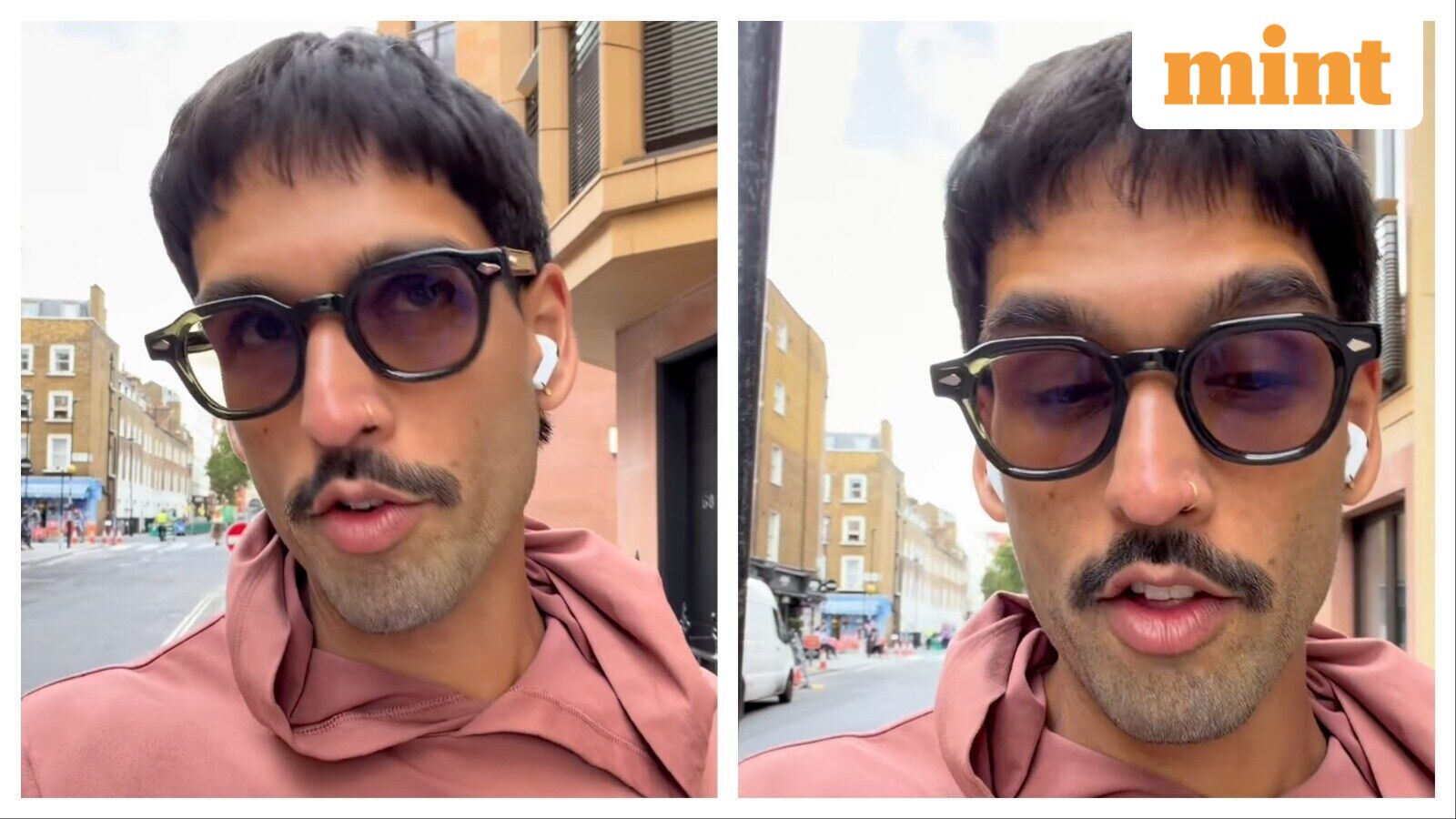
Siddharth Mallya, 39, said OCD triggered severe anxiety after drinking, not addiction. He marked eight years sober with a video urging others to make the change.
Siddharth Mallya, the son of businessman Vijay Mallya, marked eight years of sobriety this week with an Instagram post that made clear his decision was about mental health, not addiction.
The 39-year-old actor shared a short video on Thursday. “8 years since I stopped drinking,” he wrote in the caption. “Remember if there is anything you want to change in your life, you have the power to do it. You just have to want it bad enough.”
In the video, Mallya said his choice to quit alcohol was driven by Obsessive-Compulsive Disorder (OCD), not by alcohol dependence. “For those of you who don't know my story, I wasn't an alcoholic or anything like that. I just had OCD, so whether I had one drink or 10 drinks a night, the anxiety levels the next day were way off the scale,” he said. The toll drinking took on his anxiety, he added, outweighed any benefit.
He also addressed people who told him his journey inspired them, or who said they wished they could quit. “If you want anything bad enough, trust me, you will figure out a way to do it, and you have the strength to make whatever changes you want,” he said. He acknowledged the difficulty, adding that he is “not a superhero.”
Medical research backs the link between alcohol and anxiety. A study published on the National Institutes of Health's PMC platform notes that alcohol can trigger episodes of intense depression or severe anxiety. “Depressed or anxious alcohol-dependent people often believe that they drink to relieve symptoms of sadness or nervousness,” the study states. “Research does not unanimously support the prior existence of severe depressive or anxiety disorders as a usual cause of alcoholism.”
Many people drink for temporary relief from emotional distress. The study explains that while alcohol may create a brief numbing effect, it disrupts the brain's neurotransmitter balance, often worsening underlying mood and anxiety disorders over time. The greater the alcohol intake, the more likely a person will develop temporary anxiety and depressive symptoms, which intensify as consumption increases.
Mallya has used his platform to speak about mental health since quitting alcohol. This week's post was his latest public milestone on that journey.
Drafted by a large language model from the source reporting linked above, then screened by automated publishing checks. It is not read by a journalist before publication. Some articles cite our Alpha Score. Verify prices and figures against the original source. Educational coverage, not personalized advice.