Stocks● Neutral
Shakespeare Quote on Tyranny: Resist Even When Defeat Seems Certain
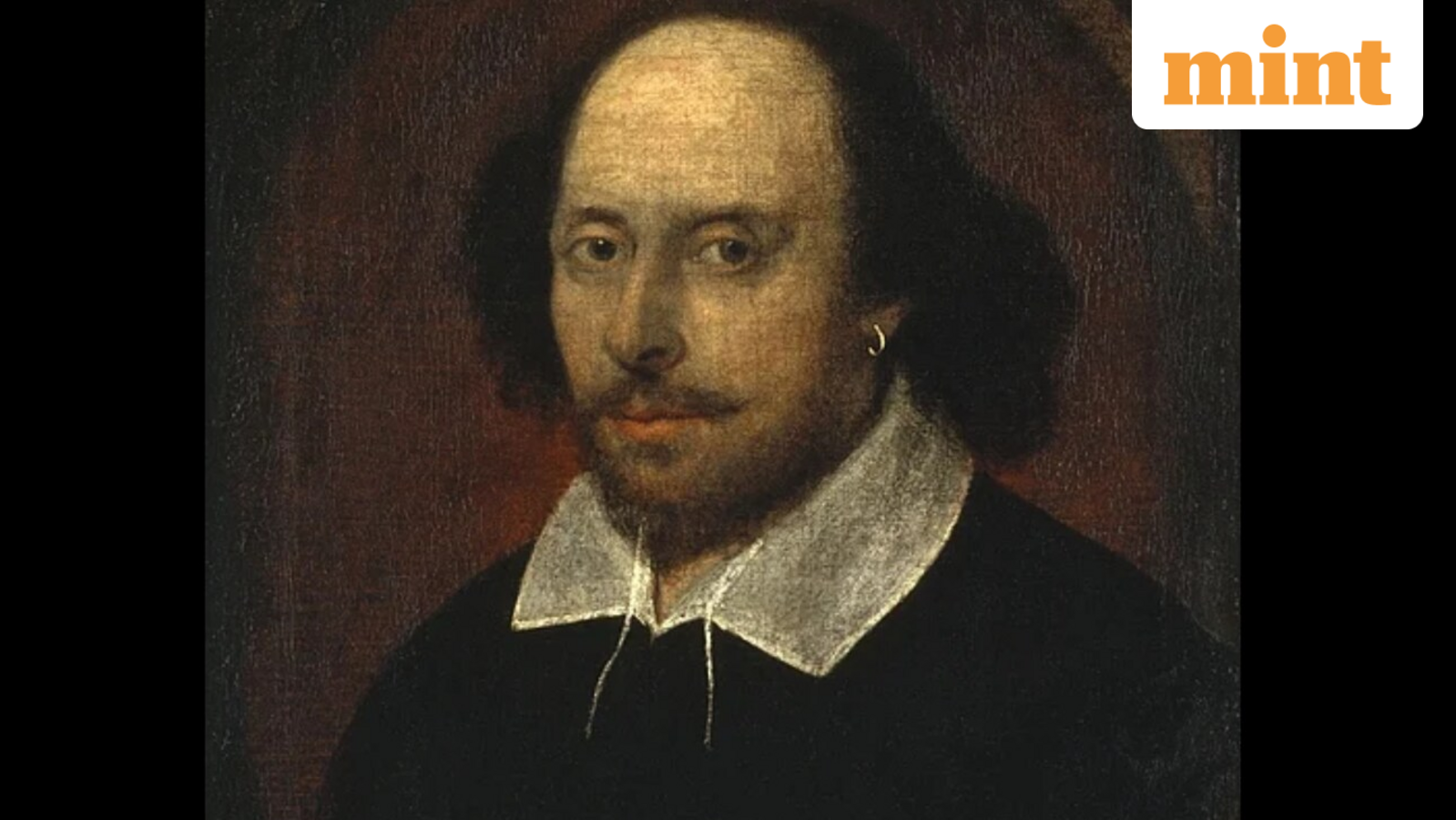
Malcolm's line in "Macbeth" captures the moral urgency of resisting tyranny even when defeat seems certain. The speech, spoken as Scotland suffers under Macbeth's rule, has resonated across centuries as a call to courage.
Continue with
William Shakespeare's "Macbeth" includes a line that distills the moral logic of resistance. In Act 4, Scene 3, Malcolm tells Macduff: "Do we but find the tyrant's power tonight, / Let us be beaten, if we cannot fight."
The speech comes as Malcolm tests Macduff's loyalty before revealing his plan to challenge Macbeth's rule. Scotland is under a violent tyranny. Macbeth seized power through murder and maintains it through fear. Malcolm acknowledges the danger of confronting a stronger force. Yet he argues that surrender without a fight is worse than defeat.