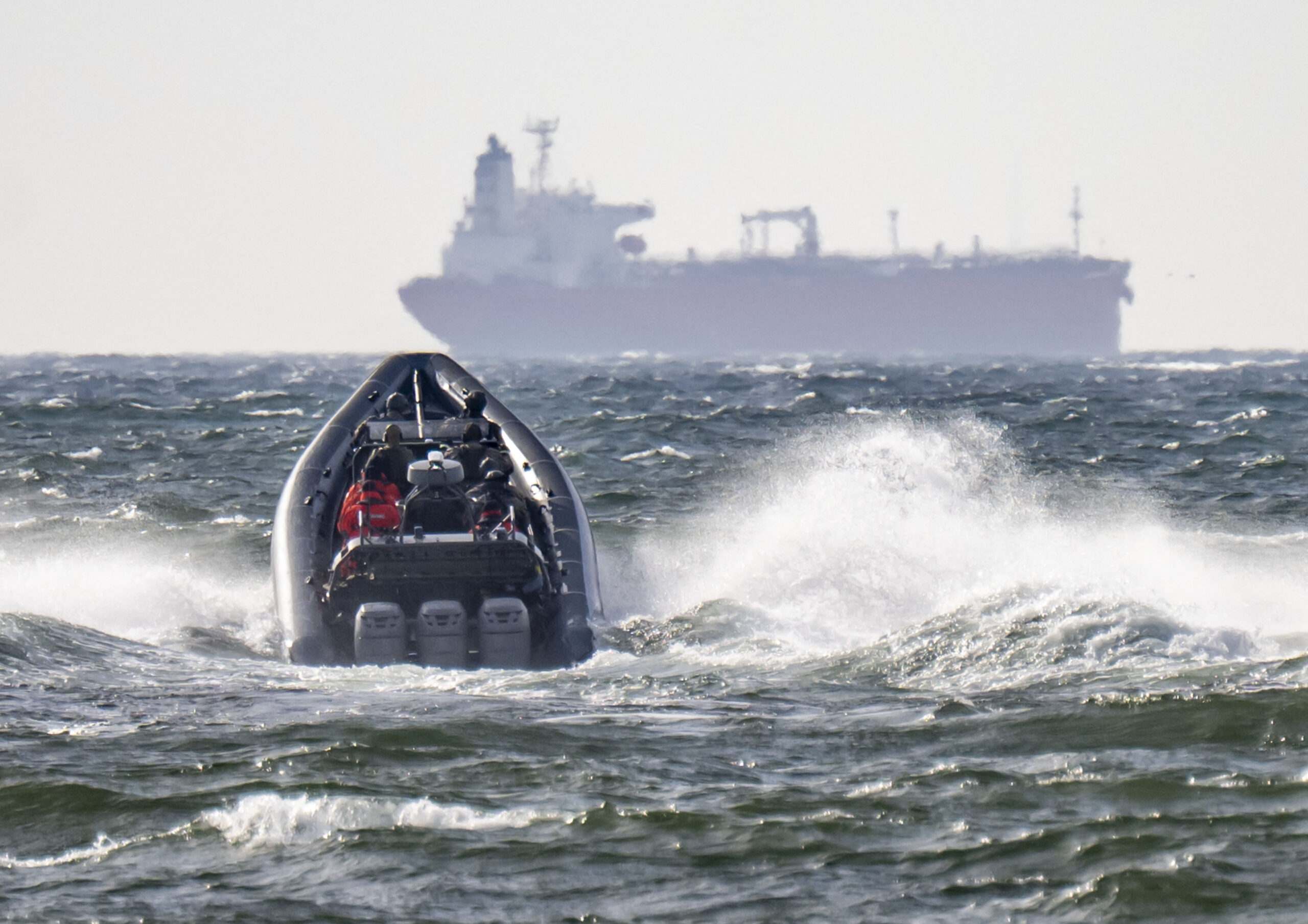
Ukraine has identified a pattern of Russian shadow fleet tankers operating with insurance certificates issued by a non-existent entity. These vessels are essential to maintaining Russian crude export volumes, effectively bypassing Western sanctions designed to limit Moscow's energy revenue.
The Anatomy of the Fraud
The scheme relies on falsified documentation to satisfy port entry requirements and maritime safety standards. By presenting certificates from a shell company, these tankers gain access to international waters and potential buyers without the backing of reputable Protection and Indemnity (P&I) clubs. Standard maritime practice requires P&I cover to indemnify shipowners against risks like oil spills or environmental damage. Using phantom insurance leaves the global shipping industry and coastal nations exposed to massive financial liabilities in the event of an accident.
This development suggests that the enforcement of the price cap coalition's rules is becoming increasingly difficult as participants in the grey-market trade adopt more sophisticated deceptive practices. The use of fake insurance is a direct attempt to circumvent the requirement that tankers carrying Russian oil must be insured by Western-domiciled firms to access Western services.
Market Implications for Energy Traders
For those monitoring the crude oil profile, this news introduces a new layer of risk and uncertainty regarding supply chain integrity. Traders should be aware of the following implications:
- Insurance Risk Premiums: A rise in fraudulent documentation may force port authorities to increase inspection frequency, leading to delays and potential bottlenecks for legitimate tanker traffic.
- Geopolitical Volatility: If a major spill occurs involving an uninsured vessel, the resulting environmental and diplomatic fallout could trigger sudden, aggressive regulatory crackdowns on shipping lanes, spiking freight rates.
- Supply Transparency: The expansion of the shadow fleet complicates the ability of market analysts to track real-time Russian export data, potentially leading to discrepancies between official reported volumes and actual flows.
What to Watch
Traders should monitor the response from the International Maritime Organization (IMO) and major port hubs in Asia and the Mediterranean. Any uptick in the detention of vessels for documentation irregularities will provide a leading indicator of how strictly authorities are vetting these insurance claims. While these ships currently keep supply flowing, the structural fragility they introduce to the market remains a long-term concern for energy liquidity.
If the coalition against Russian energy revenue decides to target these specific shell entities, expect a sharp reaction in tanker rates and a potential short-term tightening of available tonnage. The reliance on this shadow fleet is a sign that the sanctions regime is forcing Russian exporters into increasingly opaque corners of the global logistics market.