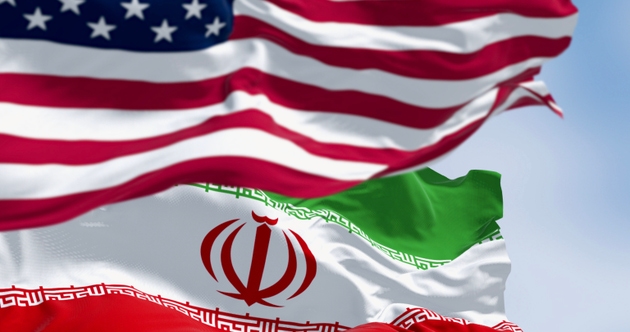
U.S. Naval Blockade of Iranian Ports Disrupts 13 Tankers

The U.S. Navy has successfully blocked 13 oil tankers from exiting Iranian ports, a direct escalation in maritime enforcement that threatens regional supply chains. This move signals a shift in enforcement strategy for global energy markets.
The U.S. Navy has intercepted and turned away 13 oil tankers attempting to depart Iranian ports, marking a sharp escalation in maritime enforcement. This blockade directly targets Tehran’s primary revenue stream and introduces immediate friction into the global energy supply chain.
Market Impact and Supply Chain Friction
The sudden removal of these vessels from the active export pool creates an immediate supply vacuum. Traders monitoring crude oil profile data should account for the resulting premium being priced into near-term delivery contracts. While the exact volume of the diverted oil remains under assessment, the psychological impact on tankers operating in the region is likely to drive up insurance premiums and freight rates.
"The U.S. Navy’s direct intervention in port operations represents a departure from previous monitoring tactics, forcing a re-evaluation of regional shipping risk."
Historical Context and Energy Volatility
Historically, interference with Iranian exports has been limited to secondary sanctions and asset freezes. Physical blockades represent a higher tier of intervention, effectively forcing a supply shock that markets have not fully priced in. The following table highlights the immediate impact on related energy metrics:
| Metric | Status | Market Effect |
|---|---|---|
| Active Tanker Departures | -13 Ships | Immediate Supply Reduction |
| Regional Freight Rates | Increasing | Higher Shipping Costs |
| Energy Risk Premium | Elevated | Volatility Expansion |
Trader Perspective: What to Watch
This development forces an immediate pivot in how traders view commodities analysis for the coming quarter. If the U.S. sustains this level of enforcement, expect a sustained bid under WTI and Brent as the market adjusts to a lower net flow of Iranian barrels.
- Watch the VIX and SPX: Increased geopolitical risk often triggers a flight to quality, potentially pressuring the S&P 500 if energy costs spike and dampen corporate margins.
- Monitor Physical Premiums: Watch for widening spreads between spot prices and futures as refiners scramble to secure alternative crude grades.
- Tanker Rates: Keep an eye on shipping indices; higher costs for the transport of crude will eventually flow through to the end consumer, complicating the inflation outlook.
Market participants should focus on the duration of this blockade rather than the initial headline shock. A short-term operation will be absorbed by the market, but a sustained presence at these ports will fundamentally alter the supply-demand balance. Keep your positions tight as the situation at these specific maritime chokepoints evolves.
AI-drafted from named primary sources (exchange feeds, SEC filings, named news wires) and reviewed against AlphaScala editorial standards. Every price, earnings figure, and quote traces to a specific source.