Stocks● Neutral
Senior Living Waitlists Precede 70-Unit Open, Signaling Tight Coastal Market
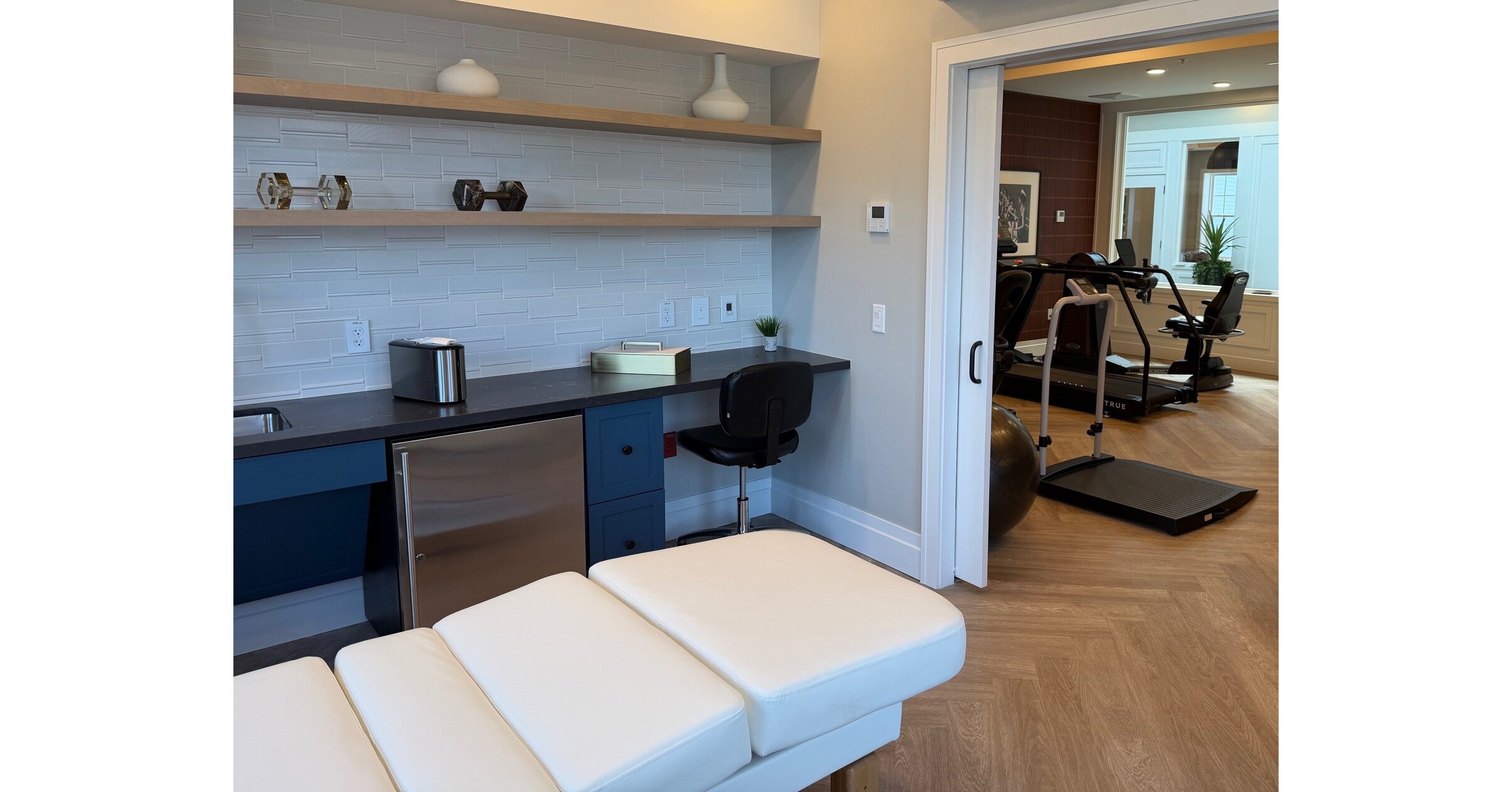
70 new assisted living units opened with floor plans already on waiting lists. The lease-up pace will test if the Seacoast can absorb more supply.
Continue with
On May 1, Benchmark at Rye opened a 60,000-square-foot assisted living addition on Route 1 in Rye, New Hampshire, delivering 70 new apartments to a coastal market that had not seen a new assisted living development in decades. The operator did not need to wait for move-ins to validate demand. Select floor plans already had waiting lists before the first resident arrived. That queue flips the usual lease-up story: supply was so constrained that demand formed a line before the door opened.
The Supply Gap That Took Decades to Build
The Portsmouth area’s last new assisted living construction came so long ago that the industry has no clear reference point. Benchmark’s opening is the first new development in a generation. That structural pause created a deep supply deficit. While the regional senior population grew steadily, the stock of purpose-built units barely moved. The result is a market where new supply acts as a release valve rather than a glut.
First New Construction in a Generation
Benchmark at Rye sits one mile from the beach and minutes from downtown Portsmouth, a location that commands Seacoast pricing power. The operator chose to expand only now, suggesting underwriting thresholds were not met in prior years. The new wing adds multiple dining venues, wellness spaces, a bistro, a fitness center, a salon, a family kitchen, and outdoor patios for dining and gathering. The build-out signals confidence in sustained demand, not a speculative bet on future growth.
Waitlists as a Pre-Occupancy Signal
Waiting lists that form before residents arrive are rare in most real estate classes. In senior living, they indicate that the decision to move is front-running inventory availability. Prospects are not shopping existing vacancies; they are reserving future spots. That behavior points to limited acceptable alternatives and a consumer base unwilling to risk waiting. For an investor analyzing the space, this metric matters more than headline occupancy because it reveals the demand curve’s steepness. It suggests the market’s absorption capacity outruns what a static supply-demand snapshot would capture.
The Demographic Engine Behind the Seacoast Premium
Benchmark attributes demand to an aging population and the Seacoast’s increasing popularity, fueled by coastal appeal, high quality of life, and proximity to Boston and Portland. These are not cyclical factors. The age wave is a multi-decade trend, and the Seacoast has become a retirement destination supported by both in-migration from Massachusetts and aging-in-place locals.
Aging Population Meets Coastal Migration
The U.S. population aged 75 and older expands by approximately 1.5 million people each year, creating a steady intake pool for assisted living. The Seacoast region captures a disproportionate share because it offers amenity-rich living within driving distance of family hubs. Benchmark’s expansion reads as a direct response to that geographic concentration of wealth and longevity.
Location as a Pricing Multiplier
In senior living, location is a proxy for both willingness to pay and family visitation frequency. When adult children can visit on a day trip, the decision to place a parent becomes easier, and price sensitivity drops. Benchmark at Rye’s site, near Lago’s Ice Cream and Seabrook Beach, leverages that dynamic. The operator can command premium rates not because of incremental luxury finishes but because of the irreplaceable coastal address.
Memory Care Linkage and Resident Stickiness
The campus includes an adjacent 40-apartment Mind & Memory Care neighborhood for residents with Alzheimer’s, dementia, and other memory impairments. That co-location is not a cosmetic amenity; it creates a durable customer-acquisition channel that improves census stability and reduces marketing friction.
Couples Stay Together Across Care Levels
When one spouse requires memory care and the other needs assisted living, the alternative is often split residences, which multiplies costs, logistical complexity, and emotional strain. Benchmark offers a single-campus solution. Dick Strickland, whose wife Peg already lives in the memory care neighborhood, plans to move into the new assisted living apartments. He said: “What Benchmark has created is truly beautiful, and the location is unmatched. I’m looking forward to this next chapter for both of us and to spending more time together.” This dynamic lowers the decision barrier for couples, creating a built-in referral stream from the memory care side to the assisted living units.