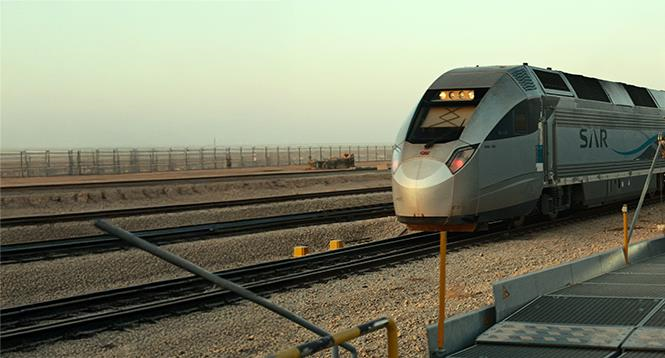
Spanish engineering firm Sener has secured the design contract for Saudi Arabia’s ambitious Landbridge railway network. Saudi Railway Co. (SAR) awarded the mandate following a competitive tender process initiated in 2025.
Project Scope and Strategic Intent
The Landbridge project represents a core component of the Kingdom’s Vision 2030 infrastructure expansion. By connecting the Red Sea port of Jeddah with the Arabian Gulf via Riyadh and Dammam, the network aims to slash transit times for freight and passengers across the peninsula. For Sener, this win solidifies its footprint in the Middle East, where infrastructure spending remains a primary driver of industrial growth.
SAR’s decision to move forward with design work suggests that procurement timelines for the massive civil works packages are accelerating. The project is designed to integrate existing rail corridors with new segments, effectively creating a trans-continental logistics artery. This infrastructure is intended to reduce reliance on maritime transshipment through the Strait of Hormuz, offering a land-based alternative that could fundamentally alter regional supply chain costs.
Market Context and Regional Implications
Infrastructure development of this scale typically acts as a force multiplier for local construction and materials sectors. While Sener is a private firm, the tendering of such projects often correlates with increased activity for regional heavy industry players and international consultants. Traders should monitor how the progression of this project influences regional sentiment toward industrial capital expenditure.
"The Landbridge is more than a rail link; it is a critical component of the Kingdom's goal to become a global logistics hub connecting three continents," according to industry observers tracking the SAR project pipeline.
| Project Phase | Status | Focus |
|---|
| Feasibility | Completed | Route Optimization |
| Design | Awarded to Sener | Engineering/Specifications |
| Construction | Pending | Procurement/Civil Works |
Trader Takeaways
The formalization of the design phase reduces the execution risk profile for the project. Investors looking at the broader market analysis of the region should watch for subsequent announcements regarding construction tenders and financing arrangements. Large-scale rail projects often require significant inputs of steel, concrete, and signaling technology, which can create localized demand spikes for associated commodities and specialized component manufacturers.
Watch for SAR to provide updates on the specific timeline for the construction start date. Any delay in the design phase would be a negative signal for the broader infrastructure rollout, while an accelerated timeline could buoy expectations for regional industrial output through 2027.