Stocks● Neutral
37 Senate Democrats Challenge USPS Authority on Election Mail
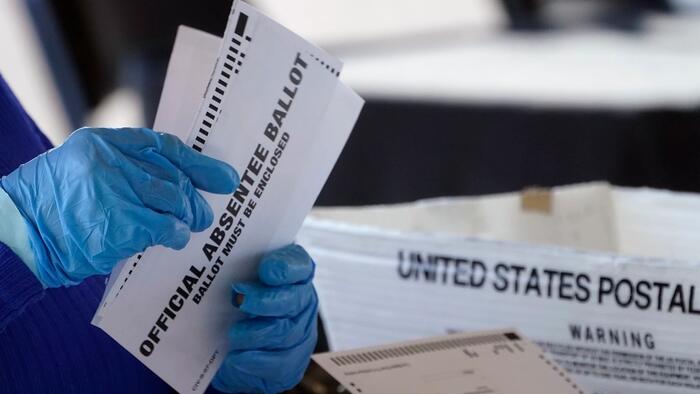
Lawmakers demand the USPS reject executive orders that could disrupt ballot processing. The board's formal response will signal future logistics stability.
Continue with
Thirty-seven Senate Democrats have formally requested that the U.S. Postal Service Board of Governors refuse to implement any executive order that might restrict or alter mail-in ballot processing. The letter centers on the concern that executive directives could interfere with the operational independence of the agency during election cycles. This move signals a preemptive effort to insulate postal logistics from potential administrative mandates that prioritize specific handling protocols over established election mail procedures.
Operational Independence and Election Logistics
The core of the dispute lies in the tension between executive branch authority and the semi-independent status of the USPS. By urging the board to reject potential mandates, the signatories are attempting to establish a firewall between the White House and the internal decision-making processes of the postal service. The request highlights a broader concern regarding the politicization of logistics infrastructure. If the board chooses to prioritize executive guidance over existing operational standards, the resulting friction could disrupt the distribution of ballots and create significant uncertainty for state-level election officials.
This situation creates a direct link to the stability of public institutions and the reliability of essential infrastructure services. When administrative policy shifts threaten to override standard operating procedures, the risk of operational bottlenecks increases. For investors monitoring the stock market analysis landscape, the primary concern is the potential for administrative gridlock to impact the broader logistics sector. While the USPS is a government-adjacent entity, its operational health and the public perception of its reliability often serve as a proxy for the stability of the national supply chain.