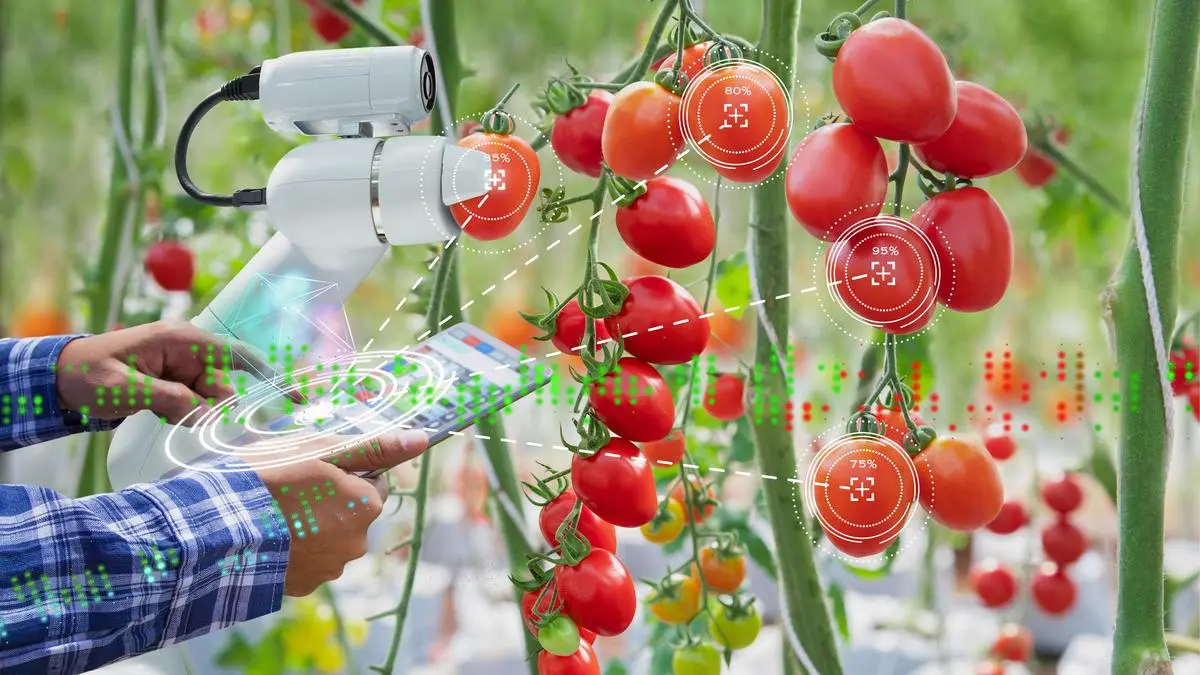
The integration of semiconductor technology has emerged as the primary catalyst for modernizing India’s agricultural sector. While the industry has long focused on software and digital platforms, the hardware layer remains the missing link for scaling precision farming. With agriculture contributing 16 to 18 percent of India's GDP and employing nearly 42 to 45 percent of the workforce, the shift toward hardware-led efficiency carries significant economic weight.
Hardware as the Scaling Bottleneck
Precision agriculture requires real-time data collection from soil sensors, automated irrigation systems, and drone-based monitoring. These applications depend on low-power, cost-effective microcontrollers and sensors capable of operating in harsh, rural environments. Current reliance on imported components creates supply chain vulnerabilities and cost barriers that prevent smallholder farmers from adopting high-tech solutions. The emergence of domestic semiconductor startups aims to bridge this gap by designing chips specifically tailored for the unique power and connectivity constraints of Indian farms.
By localizing the production of these critical components, startups are attempting to lower the barrier to entry for integrated farm management systems. This shift moves the focus from generic digital tools to hardware-software ecosystems that can operate reliably without constant connectivity. The ability to process data at the edge, directly on the farm, reduces the dependency on cloud infrastructure and lowers operational costs for the end user.
Sector Read-Through and Economic Impact
The transition toward hardware-integrated farming has broader implications for the stock market analysis of the regional industrial and technology sectors. As semiconductor startups gain traction, the demand for local manufacturing and testing facilities is expected to rise. This creates a secondary market for specialized logistics and infrastructure providers that support high-tech agricultural hardware.
Investors are now looking at how these hardware advancements influence the broader supply chain. If domestic chip production achieves scale, the cost of automated machinery could drop, potentially accelerating the adoption of robotics in harvesting and crop management. This shift is not merely about individual startups but about the creation of a foundational layer that supports the entire agricultural value chain.
The Path to Commercial Viability
The next phase for these semiconductor startups involves moving from prototype development to large-scale field deployment. Success will be measured by the ability to integrate these chips into affordable, durable farm equipment that can withstand extreme weather conditions. The primary marker for progress will be the transition from pilot projects to commercial partnerships with established agricultural machinery manufacturers.
As these startups refine their designs, the focus will shift toward the reliability of their supply chains and the scalability of their manufacturing processes. The integration of domestic hardware into the agricultural mainstream will likely serve as the definitive test for India’s broader ambitions in the semiconductor space. The ability to prove the economic utility of these chips in the field will determine whether this sector can move beyond niche applications to become a pillar of the national economy.