Back to Markets
Stocks● Neutral

Security and Surveillance Implications of Repatriation Efforts

Security and Surveillance Implications of Repatriation Efforts
ASNOWHASON

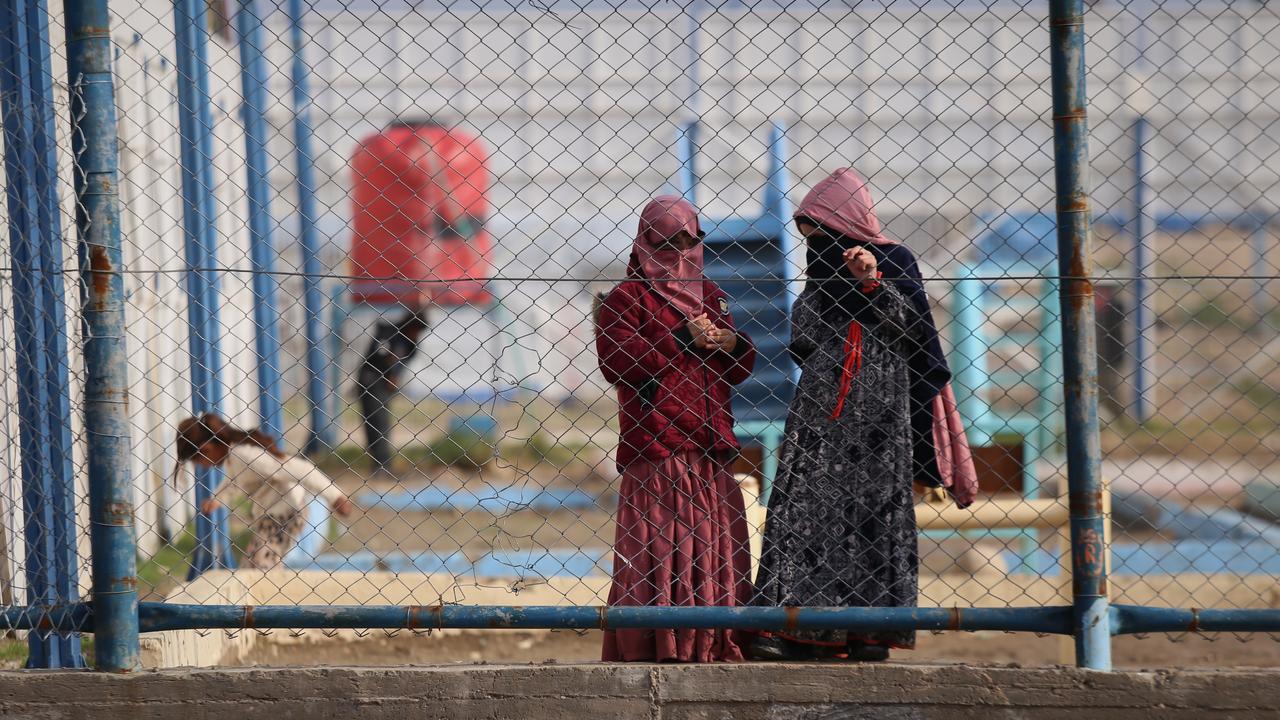
Intelligence agencies are intensifying monitoring efforts as Australian citizens linked to Islamic State prepare to return from Syrian detention camps, raising questions about domestic security and reintegration protocols.

AlphaScala Research Snapshot
Live stock context for companies directly referenced in this story
Consumer Cyclical
Alpha Score
47
Weak

Alpha Score of 47 reflects weak overall profile with moderate momentum, poor value, moderate quality. Based on 3 of 4 signals — score is capped at 90 until remaining data ingests.

Technology
Alpha Score
52
Weak

Alpha Score of 52 reflects moderate overall profile with poor momentum, strong value, strong quality, weak sentiment.

Consumer Cyclical

HASBRO, INC. currently screens as unscored on AlphaScala's scoring model.

Alpha Score
45
Weak

Alpha Score of 45 reflects weak overall profile with strong momentum, poor value, poor quality, weak sentiment.

This panel uses AlphaScala-native stock data, separate from the source wire linked above.

The planned return of Australian citizens linked to Islamic State from detention camps in Syria has triggered heightened activity within national security and intelligence agencies. This development shifts the focus toward the logistical and security challenges associated with managing individuals who have spent years in conflict-zone environments. Agencies are now tasked with assessing the potential risks posed by these returnees while navigating the legal and humanitarian frameworks governing repatriation.

Intelligence Oversight and Risk Assessment

The primary concern for security services involves the vetting process for individuals transitioning from detention facilities back into domestic society. Intelligence agencies are prioritizing the identification of radicalization levels and potential security threats among the women and children involved. This process requires a coordinated effort between federal security apparatuses and local law enforcement to ensure that monitoring protocols are established before any arrivals occur. The complexity of these assessments is compounded by the duration of time spent in conflict zones and the lack of direct oversight during that period.

Domestic Security and Resource Allocation

The potential influx of these individuals necessitates a reevaluation of domestic monitoring capabilities. Security agencies must balance the need for public safety with the legal obligations of the state toward its citizens. This situation often leads to increased scrutiny of border control procedures and the deployment of specialized surveillance teams. The following factors are central to the current security response:

  • The establishment of long-term monitoring programs for returning individuals.
  • The integration of social services to manage the reintegration process for children.
  • The coordination between intelligence agencies and regional authorities to mitigate potential security gaps.

These measures are designed to provide a structured environment for individuals upon their return while maintaining a high level of situational awareness. The focus remains on preventing the establishment of extremist networks within the country and ensuring that the repatriation process does not compromise national security.

Strategic Monitoring and Future Policy

As the situation evolves, the government faces pressure to refine its policy on the return of citizens from high-risk areas. The current approach emphasizes a cautious, case-by-case evaluation rather than a blanket policy. This strategy allows for a more granular assessment of each individual but requires significant ongoing investment in human and technical intelligence resources. The effectiveness of these monitoring efforts will serve as a primary indicator for future repatriation decisions.

For investors monitoring the broader impact of national security expenditures, the focus remains on how government spending on intelligence and defense infrastructure influences the stock market analysis landscape. While this specific event is localized, it highlights the ongoing necessity for robust security protocols, similar to those discussed in the Security Protocol Scrutiny Following White House Correspondents Dinner Incident. The next concrete marker will be the formal announcement of arrival timelines and the subsequent implementation of the specific surveillance frameworks designed for these individuals.

How this story was producedLast reviewed Apr 26, 2026

AI-drafted from named sources and checked against AlphaScala publishing rules before release. Direct quotes must match source text, low-information tables are removed, and thinner or higher-risk stories can be held for manual review.

Editorial Policy·Report a correction·Risk Disclaimer