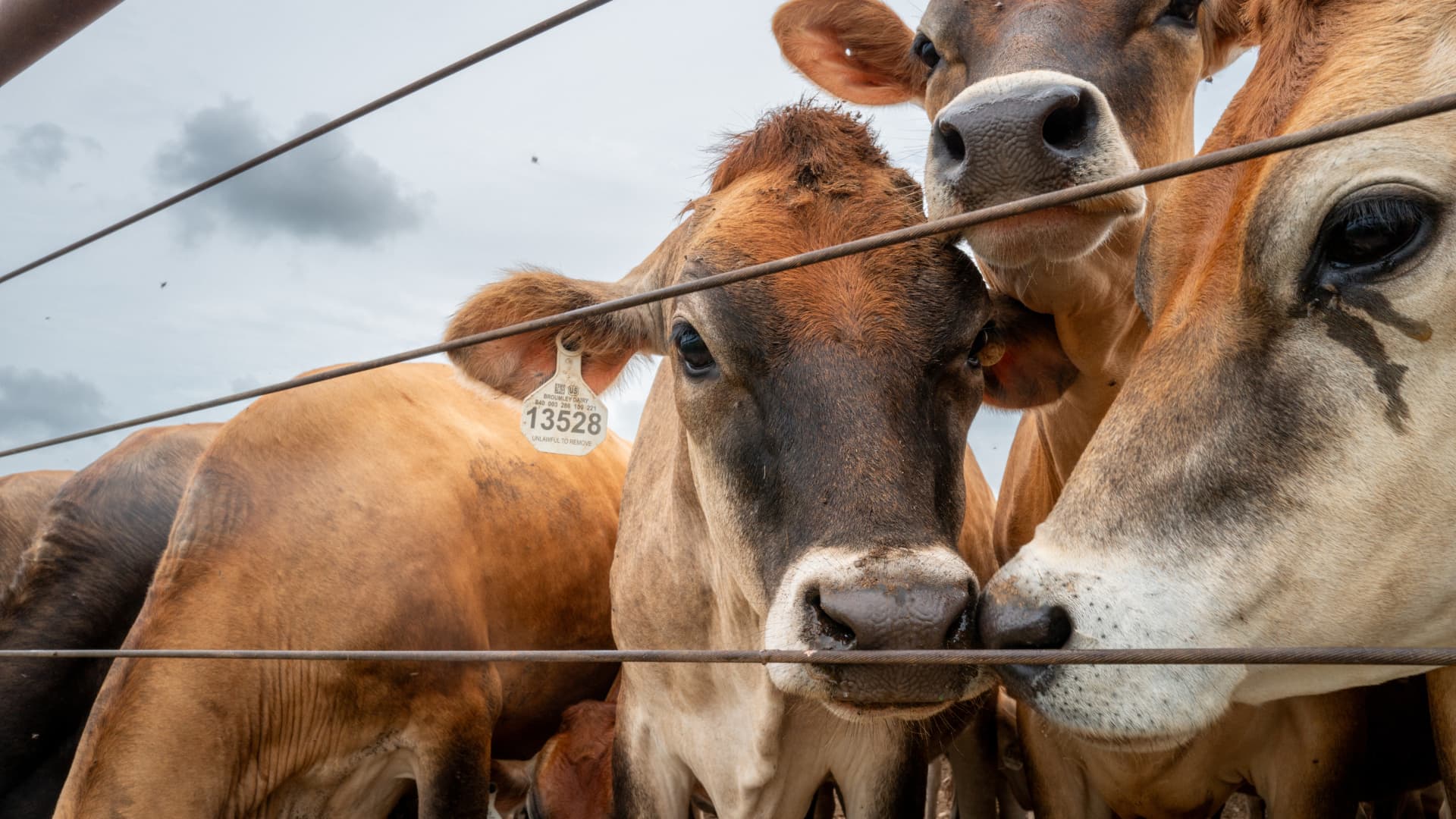
The USDA confirmed a second New World screwworm case in a one-month-old calf in Zavala County, Texas – roughly 5.6 miles from the first detection. The Canadian Food Inspection Agency (CFIA) responded the same day with a temporary restriction on livestock imports from affected U.S. areas. The combination shifts a local surveillance problem into a cross-border trade disruption.
A single case can be explained as an imported animal or a stray fly. Two cases within two weeks and a few miles apart indicate the parasite has a local breeding foothold. The sterile insect technique the USDA is deploying requires sustained release over at least three fly generations, about 60 days. Until that cycle breaks, surveillance swabs carry a non-zero probability of finding more.
The Canada Restriction: What It Changes for Trade Flows
The CFIA did not wait for a third detection. Its restriction covers cattle, sheep, goats, and horses originating in or present in Texas within 21 days before entering Canada. Canada is the largest export destination for U.S. cattle, taking roughly 600,000 head north annually. A restriction on Texas-origin animals forces that volume to find domestic buyers or be held longer, adding feed and yardage costs.
The timing is difficult. The detection occurred during the southern fly breeding season, which runs through fall. If the movement-control zone expands, the restriction will likely widen geographically, pulling in more Texas counties and potentially neighboring states. Ranchers with herds close to the border face the highest direct risk. They lose a sales channel and may get squeezed on price if domestic supply builds up.
Horse Sector Exposure
Equine exports to Canada are highly seasonal, peaking before major shows and breeding deadlines. A restriction lasting into spring 2025 would clip the most valuable delivery windows. The horse sector is less diversified in its export channels, making it more vulnerable than cattle.
What This Means for Livestock Producers and Processors
Cattle
- Ranchers inside the control zone lose the Canadian sales channel. If the zone expands, more producers face the same constraint.
- Feedlots that source from the affected region can rotate to other U.S. origins as long as the restriction remains narrow.
- Meat processors relying on Canadian order flow face a routing delay, not a demand collapse. Canada will still source from non-affected states.
Second-Order Effects
If other importing countries follow Canada’s lead, the disruption scales. Mexico takes roughly 300,000 U.S. cattle per year. A Mexican restriction would compound the domestic glut and push down feeder cattle prices. The USDA’s reassurance that the U.S. food supply remains safe will not stop regulators in importing countries from taking precautionary steps.
The pest does not infest meat, fruits, or vegetables. The USDA stressed that any affected animal would be identified during inspection and removed from commerce. The food safety argument is solid. The commercial risk is about movement, not contamination.
Catalyst Path: What Confirms or Weakens the Risk
Confirms the bearish read for exposed producers: another detection outside the current movement-control zone. A third case in a different Texas county or a neighboring state would force a larger geographical restriction and likely trigger a Mexican response.
Reduces the risk: sustained negative surveillance over the next 30 days. If the sterile insect release breaks the reproductive cycle and no new cases appear, Canada may lift or narrow its restriction. The USDA’s next public surveillance update will be the key datapoint.
Makes it worse: a human case, even one that is mild and contained. Screwworm can infect humans in rare instances. A confirmed human case would trigger a regulatory escalation disproportionate to the actual public health risk.
The Next Decision Point
The timeline for resolution is tied to the 60-day sterile insect release cycle. The USDA will need to report surveillance results weekly. The CFIA’s restriction is temporary with no fixed expiration, so it will stay until Canada’s chief veterinary officer is satisfied. Traders and producers should watch for any sign of geographic spread and for a response from Mexico’s food safety agency. The event is small in scope today. It has a clear path to a larger disruption if containment fails.
For broader context on how sector-specific risks feed through to equities, see our stock market analysis.