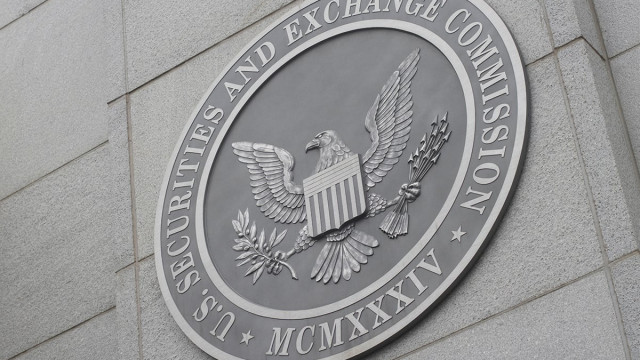
The Securities and Exchange Commission has initiated a dual-track regulatory shift, placing prediction markets under heightened scrutiny while simultaneously signaling a more permissive framework for digital asset innovation. This move marks a departure from previous enforcement patterns, as the agency attempts to reconcile the rapid expansion of decentralized betting platforms with existing securities laws.
Increased Oversight for Prediction Markets
The SEC is currently evaluating the operational structure of prediction markets to determine if these platforms function as unregistered securities exchanges. By scrutinizing the mechanisms used to facilitate wagers on political and economic outcomes, regulators are signaling that these venues may soon face mandatory registration requirements. Such a transition would force operators to implement rigorous compliance protocols, including anti-money laundering checks and standardized reporting, which could significantly increase the cost of entry for new market participants.
This regulatory pressure creates a bottleneck for platforms that have relied on decentralized governance to bypass traditional oversight. If the SEC classifies these prediction contracts as investment contracts, the resulting legal burden could stifle the liquidity currently flowing into these niche markets. The agency is focusing on the potential for market manipulation and the lack of transparency regarding underlying data sources that drive these event-based outcomes.
Easing Compliance for Digital Asset Innovation
In a contrasting development, the SEC has indicated a willingness to relax certain rules governing crypto-related activities. This shift aims to provide a clearer path for firms seeking to integrate digital assets into broader financial services. By softening specific compliance hurdles, the agency hopes to encourage institutional participation and foster a more stable environment for blockchain-based financial products.
This easing of rules is expected to impact several key areas of the industry:
- Streamlined approval processes for new digital asset custody solutions.
- Reduced reporting frequency for firms operating within defined regulatory sandboxes.
- Greater clarity on the classification of utility tokens versus securities.
These adjustments are designed to reduce the friction that has historically hindered the adoption of crypto market analysis tools by traditional financial institutions. By lowering the barrier to entry, the SEC is attempting to shift the focus from reactive enforcement to proactive framework development.
Market Context and Data
While the regulatory environment for digital assets remains fluid, broader technology sectors continue to navigate their own performance metrics. For instance, ON Semiconductor Corporation currently holds an Alpha Score of 45/100, reflecting a mixed outlook within the technology sector. This score highlights the ongoing volatility that firms face when operating at the intersection of hardware manufacturing and digital infrastructure development.
As the SEC continues to refine its approach, the next concrete marker will be the release of formal guidance regarding the classification of prediction market contracts. Industry participants are waiting for the agency to issue a definitive policy statement that clarifies whether these platforms will be treated as traditional betting venues or as regulated financial exchanges. This upcoming filing will dictate the operational roadmap for major players in the prediction space and determine the extent to which the current easing of crypto rules translates into tangible product launches.