Crypto▲ Bullish
SEC proposes $75M crypto offering exemption with path to exit securities rules
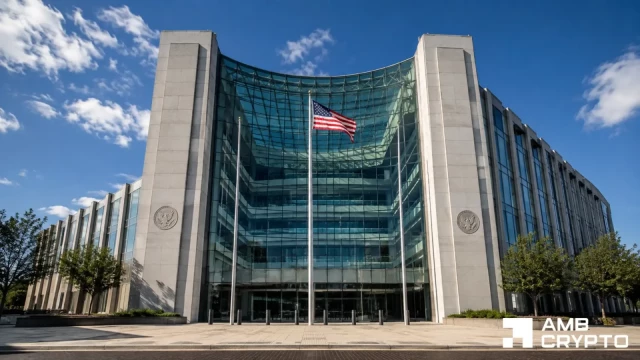
The SEC's proposed Regulation Crypto Assets lets projects raise up to $75M without full registration and later separate tokens from securities exposure.
Continue with
WASHINGTON–The Securities and Exchange Commission has proposed new fundraising rules for crypto projects. One option would allow eligible issuers to raise up to $75 million without completing a full SEC registration.
The proposal goes beyond fundraising. It sets out how a token could eventually be separated from the securities offering used to finance its development.
Proposed Regulation Crypto Assets contains three routes for projects at different stages.
A startup could raise up to $5 million over four years through a one-time exemption. It would need to disclose details about the project and its leadership, though financial statements would not be required.
Two larger routes would cover offerings of up to $20 million and $75 million within 12 months. The disclosure burden increases with the amount raised. A project that wants the $75 million exemption would need audited financial statements.
Public advertising and sales would be allowed under the proposal. There are limits on how much some retail investors can invest.