Back to Markets
Crypto▲ Bullish

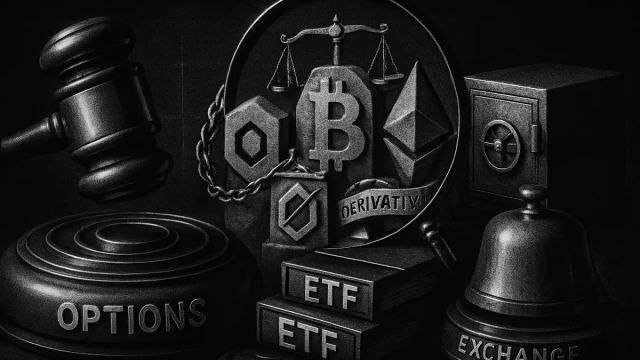
SEC Initiates Formal Review of Options Trading for Grayscale’s GDLC Crypto Trust

April 9, 2026 at 11:31 PMBy AlphaScalaSource: Aped
SEC Initiates Formal Review of Options Trading for Grayscale’s GDLC Crypto Trust

The SEC has launched a formal review for the listing of options on Grayscale’s GDLC crypto fund, opting for public feedback over an immediate rejection.

Regulatory Pivot: SEC Opens Dialogue on Options Trading

The U.S. Securities and Exchange Commission (SEC) has officially moved to initiate a formal review process regarding the proposal to list options on the Grayscale Digital Large Cap Fund (GDLC). In a significant departure from an immediate summary rejection, the regulator has opted to open the floor for public comment, signaling a deliberative approach to the expansion of derivative products tied to crypto-asset trusts.

The proposed rule change, filed by NYSE Arca, seeks authorization to list and trade options on the GDLC. By soliciting public input, the SEC is effectively moving the proposal into a more rigorous evaluation phase, suggesting that the regulator is weighing the structural implications of allowing derivative exposure to the multi-asset crypto fund, which holds a basket of digital assets including Bitcoin, Ethereum, Solana, XRP, and Avalanche.

Market Context: Why Options Matter for Crypto ETFs

The introduction of options trading represents a critical milestone in the maturation of any exchange-traded product. For institutional and retail traders alike, options serve as essential instruments for hedging volatility, generating yield through covered calls, and gaining leveraged exposure to underlying assets.

Historically, the absence of an options market has served as a liquidity bottleneck for crypto-based investment vehicles. When the SEC approved options trading for spot Bitcoin ETFs earlier this year, it was widely viewed as a "seal of approval" that significantly increased daily trading volumes and tightened bid-ask spreads. The current review of the GDLC proposal suggests that the SEC is testing the waters for expanding this liquidity-enhancing infrastructure to more complex, multi-asset crypto portfolios.

The Strategic Significance of GDLC

Unlike single-asset ETFs that track only Bitcoin or Ethereum, the GDLC is a diversified fund. This structure introduces a higher degree of complexity for the SEC, as the regulator must evaluate the suitability of options on a basket of assets with varying market capitalizations and volatility profiles.

For investors, the potential approval of options on GDLC would offer a unique opportunity to gain diversified exposure to the crypto market while utilizing professional-grade risk management tools. If the SEC ultimately greenlights the proposal, it would mark a departure from the cautious, piecemeal approach the agency has historically taken toward crypto derivatives, potentially accelerating the institutionalization of the broader digital asset sector.

Market Implications and What to Watch Next

For traders, the SEC’s decision to solicit public feedback rather than outright dismissing the filing is a bullish signal. It indicates that the proposal has passed the initial "litmus test" of regulatory compliance and is now a subject of genuine policy debate within the agency.

Market participants should monitor the public comment period closely. The nature of the feedback—particularly concerning market manipulation risks and the transparency of the underlying asset pricing—will likely dictate the SEC’s final decision. Furthermore, this review sets a precedent for other multi-asset crypto trusts seeking to integrate into the traditional derivatives ecosystem.

As the SEC continues to balance investor protection with the demand for financial innovation, the path for GDLC options will serve as a bellwether for the future of crypto-derivative regulation in the United States. Should the proposal clear this hurdle, it would likely pave the way for a new wave of derivative products, further integrating crypto assets into the portfolios of traditional institutional investors.