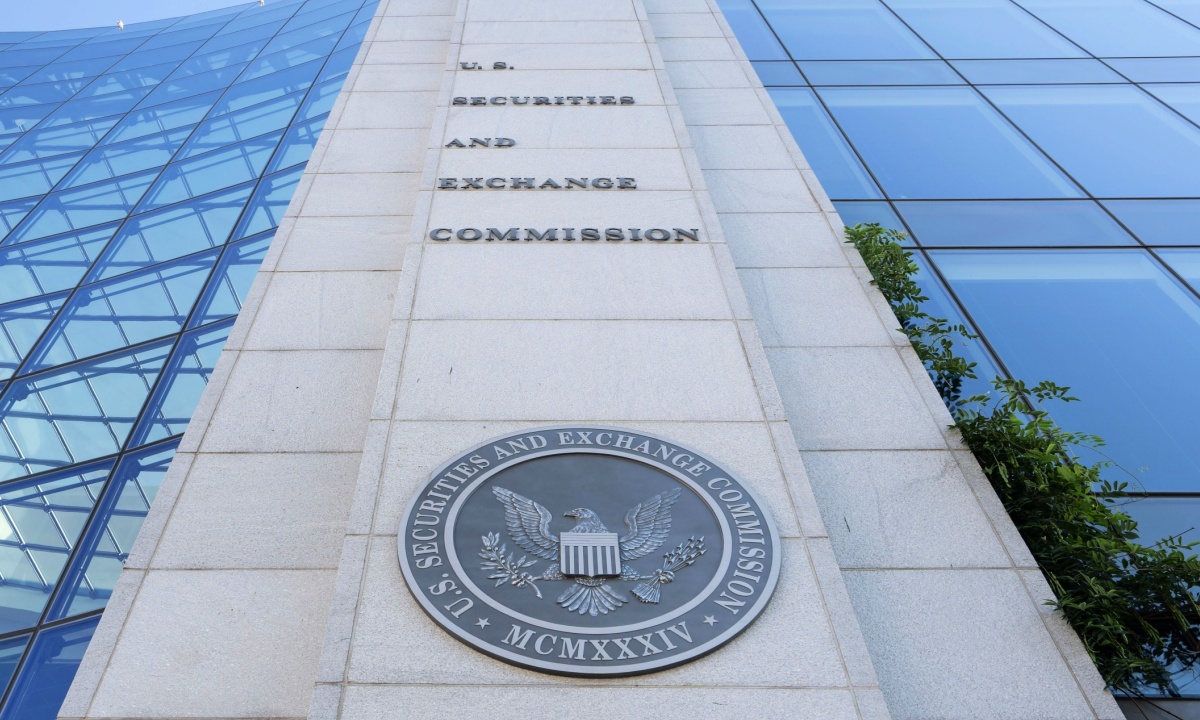
SEC enforcement probes private equity continuation vehicles over conflicts of interest and asset valuation. CVs hit $106 billion in 2025 as regulators escalate scrutiny.
The SEC's enforcement division has opened investigations into private equity continuation vehicles, Reuters reported Wednesday, citing sources familiar with the matter.
The probes center on potential conflicts of interest around the funds, how managers value the assets, and whether investor disclosures go far enough, the sources said. A spokesperson for the SEC declined to comment.
Continuation vehicles let private equity firms hold assets they cannot or do not want to sell. Most private equity funds run on roughly a decade-long cycle. With a CV, managers court new investors and shift assets from older funds into a new vehicle, extending the holding period while offering existing investors a chance to cash out. The structure gives managers a way to return cash to investors without selling assets at a discount or to competitors.
The value of fund manager-led secondary transactions hit $106 billion last year, according to Evercore data cited by Reuters. The vehicles have jumped in popularity as firms look for alternatives to traditional exits.
SEC examiners had been looking at private fund issues, including CVs, for some time. The escalation to the enforcement division signals rising concern among regulators about private market practices.
SEC Chairman Paul S. Atkins said last month the regulator was investigating fraud allegations in private credit markets. Speaking at the Milken Institute's Global Conference 2026, Atkins argued that private markets fill a gap for small and medium-sized businesses that would otherwise struggle to access credit.
"So, luckily, the private markets are there to step in and provide the capital because we do have robust private capital markets here in the United States on both the equity side and the credit side," Atkins said. "So, our economy would not be anywhere near what it is now, especially for small and medium-sized businesses which provide most of the job creation on our economy. So, thank goodness for that."
Federal Reserve Governor Michael Barr told Bloomberg News in May that stress in private credit could lead to "psychological contagion" and trigger a wider credit crunch. Barr said direct connections between banks and private credit were not yet "super worrisome," but he flagged the insurance industry's links to private lenders as an area of concern.
Prepared with AlphaScala editorial tooling from the source reporting linked above. Indexable analysis may include a cited Alpha Score value. Publishing checks screen each story before release. Educational coverage, not personalized advice.