SEBI's F&O curbs leave ₹1.2 lakh crore retail loss, expiry day risk
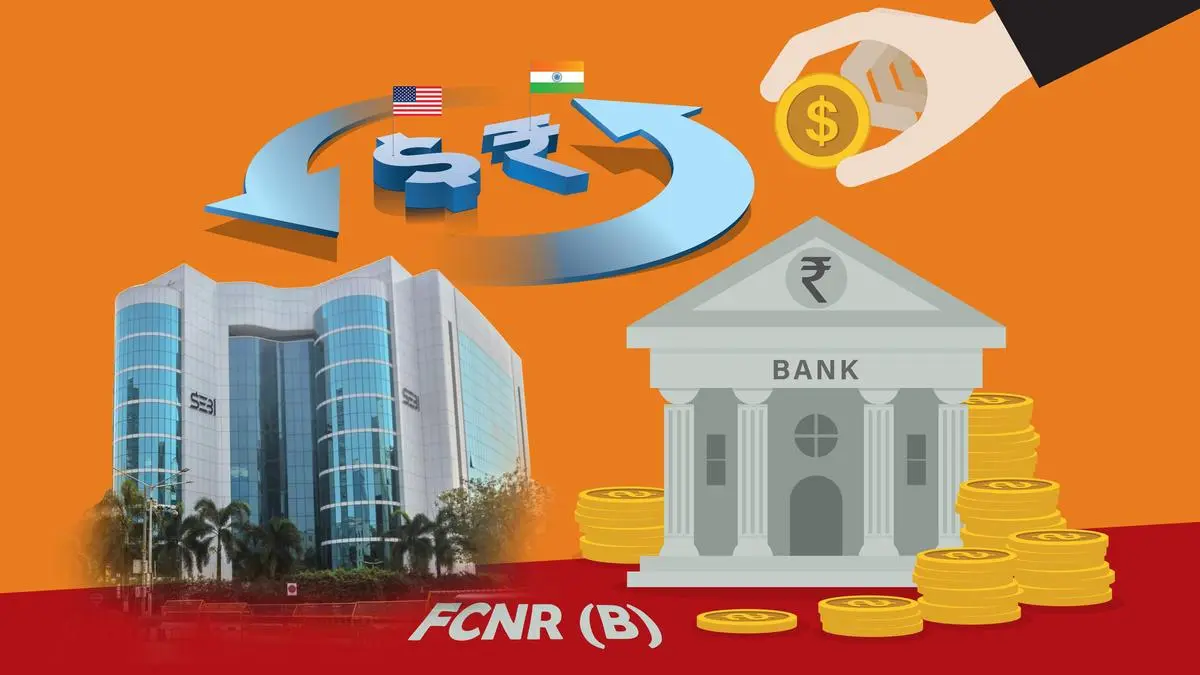
Former SEBI member Ananth Narayan Gopalakrishnan says incremental F&O curbs have not resolved the core risks: 90% retail losses and expiry-day stability concerns. He urges renewed deliberation on stronger measures.
Former SEBI whole-time member Ananth Narayan Gopalakrishnan said the regulator's incremental approach to curbing excessive speculation in index options has not resolved the core risks: 90% of retail traders continue to lose money, and the market remains vulnerable to a stability shock on expiry days.
Speaking to businessline, Gopalakrishnan said that while SEBI's October 2024 and May 2025 measures, including a sharp reduction in weekly index-option expiries, were a step forward, the latest SEBI research shows the underlying problems persist. “The appropriate approach, in my view, is the same one as before: examine the new evidence carefully, assess the impact of the measures already taken, consult stakeholders and experts, and then consider whether any further measures are warranted,” he said.
The risk stack
The F&O market presents two distinct risks, Gopalakrishnan said. The first is investor protection. Around 1 crore individuals trade in a segment where nine out of ten lose money, with an average annual loss of ₹1.2 lakh per person. Aggregate losses run about ₹1 lakh crore a year.
The second is market stability. On some index-option expiry days, equivalent volumes in options were 700–800 times the volumes in the underlying cash market. Market-wide open interest in index options kept rising until about 3:15 p.m. on expiry day. “Imagine an extreme external shock occurring at 3:15 p.m. on such a day, with derivative exposures many hundreds of times the underlying cash-market volumes. The potential spillovers could be significant and pose risks to market stability,” Gopalakrishnan said.
He also flagged a market-integrity concern: the settlement of a very large derivatives market depends on prices in a much smaller cash market, a vulnerability with parallels to the LIBOR rate-setting scandal.
Why SEBI moved incrementally
Gopalakrishnan, who oversaw the initial consultation papers at SEBI, said the regulator weighed the risk of unintended consequences from drastic action. Exchanges, clearing corporations and brokers derived a significant share of revenue from derivatives, particularly index options. A sudden shock could have affected liquidity, market-making and sentiment across the ecosystem.
“Unless there is a serious market failure requiring immediate action, there is merit in proceeding thoughtfully, based on data and consultation,” he said. The October 2024 measures followed extensive discussions with market participants, and several stakeholder suggestions were incorporated. The February 2025 consultation paper led to further modifications implemented in May 2025.
Ideas for further action
Gopalakrishnan put forward several ideas for debate rather than prescribing a single solution. First, many individuals losing money in F&O have little or no underlying equity holdings. He suggested examining whether suitability and appropriateness requirements need strengthening, and whether some regulatory and risk-management functions should be housed in a separate not-for-profit entity, insulated from the commercial pressures of exchanges and clearing corporations.
Second, deepening the cash market, particularly by strengthening the Securities Lending and Borrowing Mechanism to facilitate short-selling, arbitrage and market-making, would reduce the imbalance between derivative and cash volumes.
Third, margin requirements could be rationalized for longer-tenure derivative contracts, especially spread and basis trades where the underlying economic risk is lower. That would encourage activity beyond the extremely short-dated contracts that currently dominate.
What would reduce the risk
Stronger suitability checks for retail traders, deeper cash-market liquidity, and a shift toward longer-dated contracts would all reduce the probability of a stability event, Gopalakrishnan said. A separate not-for-profit entity for regulatory functions would align incentives more closely with market integrity.
What would make it worse
Inaction, or a further concentration of activity in zero-day-to-expiry options, would amplify intra-day volatility and the risk of a disorderly unwind. The latest SEBI data shows the concerns have not disappeared. “That does not automatically tell us what the regulatory response should be. But it does suggest that the issue merits renewed deliberation,” Gopalakrishnan said.
Drafted by a large language model from the source reporting linked above, then screened by automated publishing checks. It is not read by a journalist before publication. Some articles cite our Alpha Score. Verify prices and figures against the original source. Educational coverage, not personalized advice.