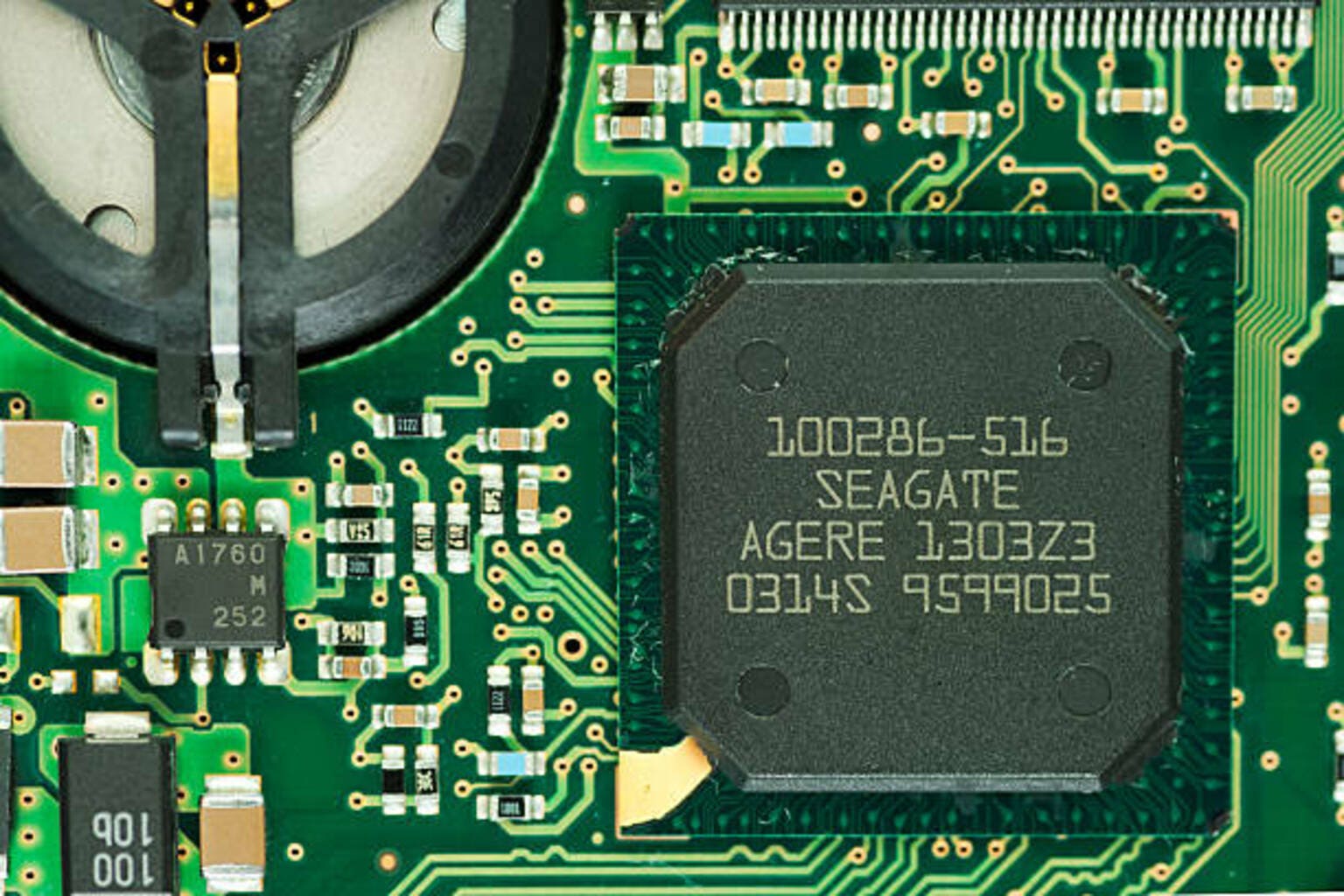
Seagate Technology has reached a critical juncture as the narrative surrounding its data center storage demand collides with the reality of an aging capital expenditure cycle among major hyperscalers. While the company has benefited from the massive buildout of artificial intelligence infrastructure, the sustainability of this spending remains the primary variable for investors. The shift from aggressive capacity expansion to a focus on operational efficiency within cloud providers creates a narrowing window for revenue growth in high-capacity hard drives.
Data Center Demand and Capex Sustainability
The core of the current debate centers on whether the recent surge in demand for mass-capacity storage is a permanent structural shift or a temporary peak driven by front-loaded infrastructure investment. Seagate has successfully leveraged its HAMR technology to capture market share in the enterprise space, yet the company remains tethered to the broader semiconductor and hardware spending cycle. When hyperscalers adjust their procurement schedules, the impact on Seagate is immediate and amplified by the high fixed costs inherent in manufacturing complex storage hardware.
Investors must distinguish between the current volume of shipments and the long-term pricing power of the industry. While the adoption of high-capacity drives is accelerating, the competitive landscape remains intense. Any deceleration in the rate of data center construction or a pivot toward alternative storage architectures could lead to a rapid inventory buildup, forcing the company to choose between margin compression and market share preservation.
Valuation and Operational Constraints
Seagate currently operates within a sector that is experiencing significant volatility as investors weigh the benefits of AI-driven demand against the risks of cyclical downturns. The company's ability to maintain its current trajectory depends on its capacity to manage supply chain costs while navigating the transition to newer, more expensive drive technologies. For those monitoring the STX stock page, the primary focus remains on the company's ability to sustain its premium valuation as the initial phase of the AI infrastructure boom begins to mature.
AlphaScala data currently assigns Seagate Technology a score of 69/100, reflecting a moderate outlook within the broader technology sector. This score highlights the balance between the company's current operational success and the underlying risks associated with its cyclical nature. When compared to other technology and financial entities, such as ON Semiconductor Corporation with a score of 46/100 or Nasdaq Inc. at 52/100, Seagate maintains a distinct position that is heavily reliant on enterprise-level capital allocation trends.
The Path to Future Performance
The next concrete marker for Seagate will be the upcoming quarterly guidance, specifically regarding the outlook for mass-capacity drive shipments. Investors should look for commentary on lead times and order visibility from the largest cloud service providers. If hyperscalers signal a shift toward optimizing existing infrastructure rather than expanding total storage capacity, the valuation multiples assigned to storage hardware providers will likely face downward pressure. The transition from growth-at-all-costs to margin-focused capital deployment is the next major hurdle for the company and the broader stock market analysis landscape. Monitoring the specific language regarding inventory levels in the next filing will provide the necessary clarity on whether the current cycle is nearing its exhaustion point or if there is further room for expansion.