Back to Markets
Stocks● Neutral

Scaling a Culinary Brand: Lessons from Rene Johnson’s Million-Dollar Pivot

Scaling a Culinary Brand: Lessons from Rene Johnson’s Million-Dollar Pivot

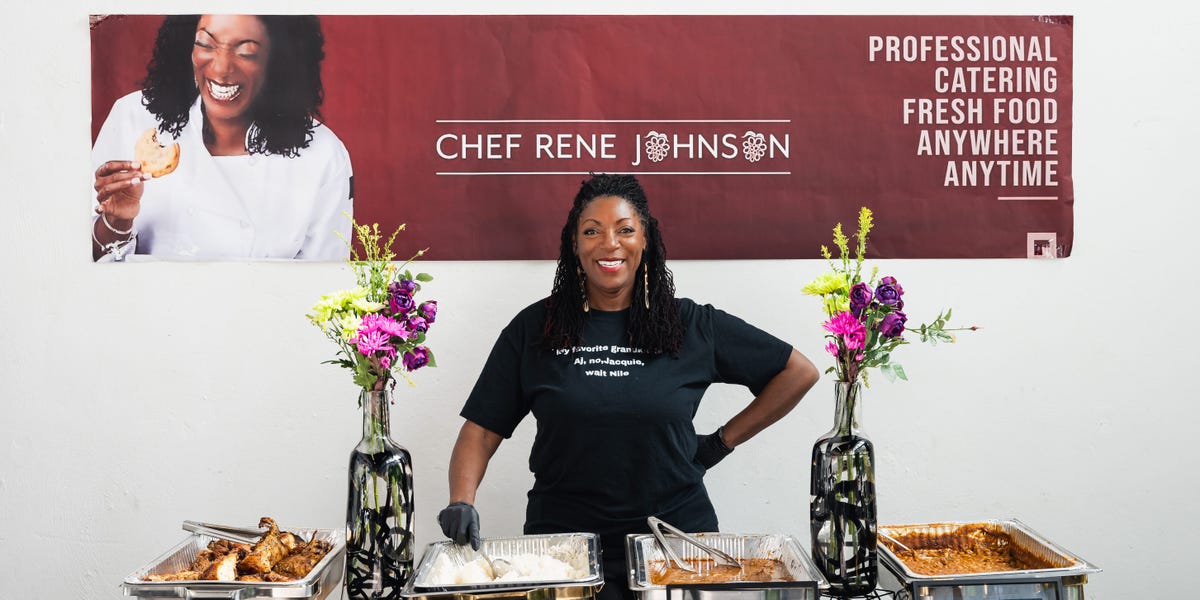
Former mortgage broker Rene Johnson has transformed a Bay Area catering operation into a million-dollar soul food business. She is now focused on teaching others how to replicate her scaling model.

From Mortgage Broker to Culinary CEO

Rene Johnson has successfully transitioned from the mortgage industry to building a million-dollar soul food catering empire in the Bay Area. Her operation serves high-profile clients, leveraging a business model that prioritizes consistent execution over the volatile cycles of the real estate market. Johnson’s success highlights the potential for small-scale hospitality ventures to reach significant revenue milestones through disciplined scaling.

Her shift away from financial services mirrors a broader trend where entrepreneurs leverage service-based skill sets to optimize operations in the food and beverage sector. By applying the rigor of mortgage processing to menu management and client logistics, Johnson secured a foothold in a competitive regional market. This pivot proves that operational expertise is often more transferable than industry-specific experience when building a brand from the ground up.

Scaling the Business Model

Johnson is now shifting her focus toward mentorship, providing a roadmap for other entrepreneurs to scale their own ventures. Her approach emphasizes the importance of building a repeatable process that can sustain growth without sacrificing quality. For traders and investors looking at the consumer discretionary space, such models provide a case study in how private firms manage overhead and labor costs to maintain margins.

"Chef Rene Johnson built a million-dollar soul food empire catering to Bay Area power players. Now, she teaches entrepreneurs how to scale."

Market Implications for Small Business Growth

Investors should keep an eye on how private culinary brands utilize digital platforms to streamline customer acquisition. While much of market analysis focuses on large-cap public equities, the success of independent operators like Johnson demonstrates the health of the local service economy. When these firms transition from pure service to a hybrid model involving education or consulting, they often unlock higher-margin revenue streams.

Traders should monitor the following factors when evaluating small-cap or private-equity-backed food service growth:

  • Revenue Concentration: The ability to secure high-value contracts with corporate clients reduces cash flow volatility.
  • Scalability of Logistics: Success depends on the ability to maintain quality while increasing output volume.
  • Diversified Income: Moving into coaching or consulting creates a secondary, asset-light revenue stream that is less sensitive to commodity price fluctuations.

Watchlist and Takeaways

Market participants tracking consumer behavior should observe whether such boutique catering models can survive inflationary pressure on food inputs. If smaller operators successfully pass on costs while maintaining their client base, it suggests a strong moat for premium local brands. Those interested in broader retail trends may find parallels in how businesses adapt to changing consumer preferences after moving away from traditional sectors like finance.

Success in the current environment requires moving beyond a single line of business to build a multi-channel revenue structure.

How this story was producedLast reviewed Apr 16, 2026

AI-drafted from named primary sources (exchange feeds, SEC filings, named news wires) and reviewed against AlphaScala editorial standards. Every price, earnings figure, and quote traces to a specific source.

Editorial Policy·Report a correction·Risk Disclaimer