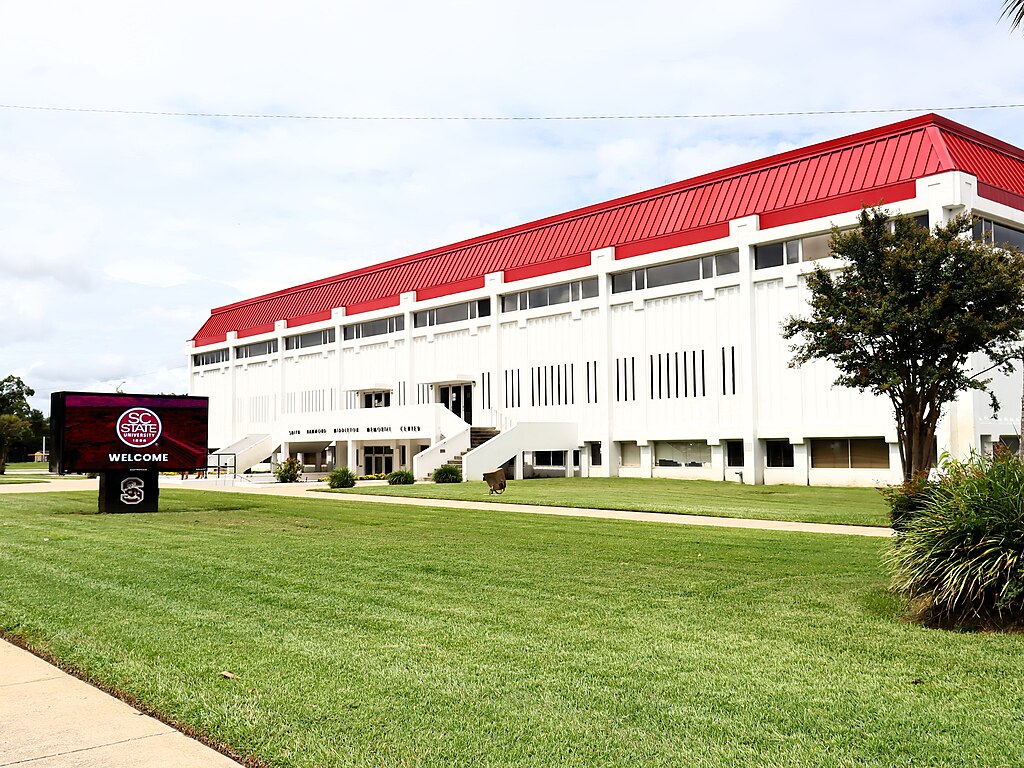
South Carolina State University President Alexander Conyers rescinded an invitation for Lieutenant Governor Pamela Evette to speak at an upcoming campus event. This decision followed student protests and public objections regarding comments made by the Lieutenant Governor that characterized students as thugs. The administration prioritized the preservation of campus discourse over the scheduled political appearance, signaling a shift in how the institution manages external political engagement.
Institutional Autonomy and Political Friction
The rescission of the speaking invitation underscores the tension between state-funded institutions and political figures. By siding with the student body, the university administration has effectively distanced itself from the Lieutenant Governor to maintain internal stability. This move creates a clear boundary for future political interactions on campus. It suggests that institutional leadership is increasingly sensitive to the potential for reputational damage when political rhetoric conflicts with the values of the student population.
For stakeholders monitoring the broader stock market analysis, this event serves as a reminder of the non-financial variables that can disrupt institutional operations. While universities are not publicly traded entities in the traditional sense, the governance decisions made by leadership teams often ripple through regional economic ecosystems. When administrative decisions prioritize student sentiment over political alignment, it can alter the flow of state funding or influence future legislative support for institutional projects.
Operational Impacts on Regional Stability
The decision to cancel the appearance serves as a concrete marker of the current climate within higher education governance. Institutions are increasingly forced to balance their reliance on state-level political support with the need to maintain a cohesive campus environment. The move by President Conyers demonstrates a willingness to sacrifice political access to prevent internal unrest. This strategy may be adopted by other institutions facing similar pressures from student activism.
AlphaScala data currently tracks various sectors with varying degrees of volatility. For instance, AS stock page holds an Alpha Score of 47/100, reflecting a mixed sentiment within the consumer cyclical sector. Similarly, B stock page maintains an Alpha Score of 70/100, indicating a more moderate outlook in basic materials. While these figures are distinct from university governance, they highlight the importance of monitoring leadership decisions that impact organizational stability.
The next concrete marker for this situation will be the university's subsequent communication regarding its policy on future political speakers. Observers should look for potential adjustments to campus event protocols or legislative responses from the state government. Any formal inquiry or change in funding status following this rescission will provide a clearer picture of the long-term consequences for the university's administrative autonomy.