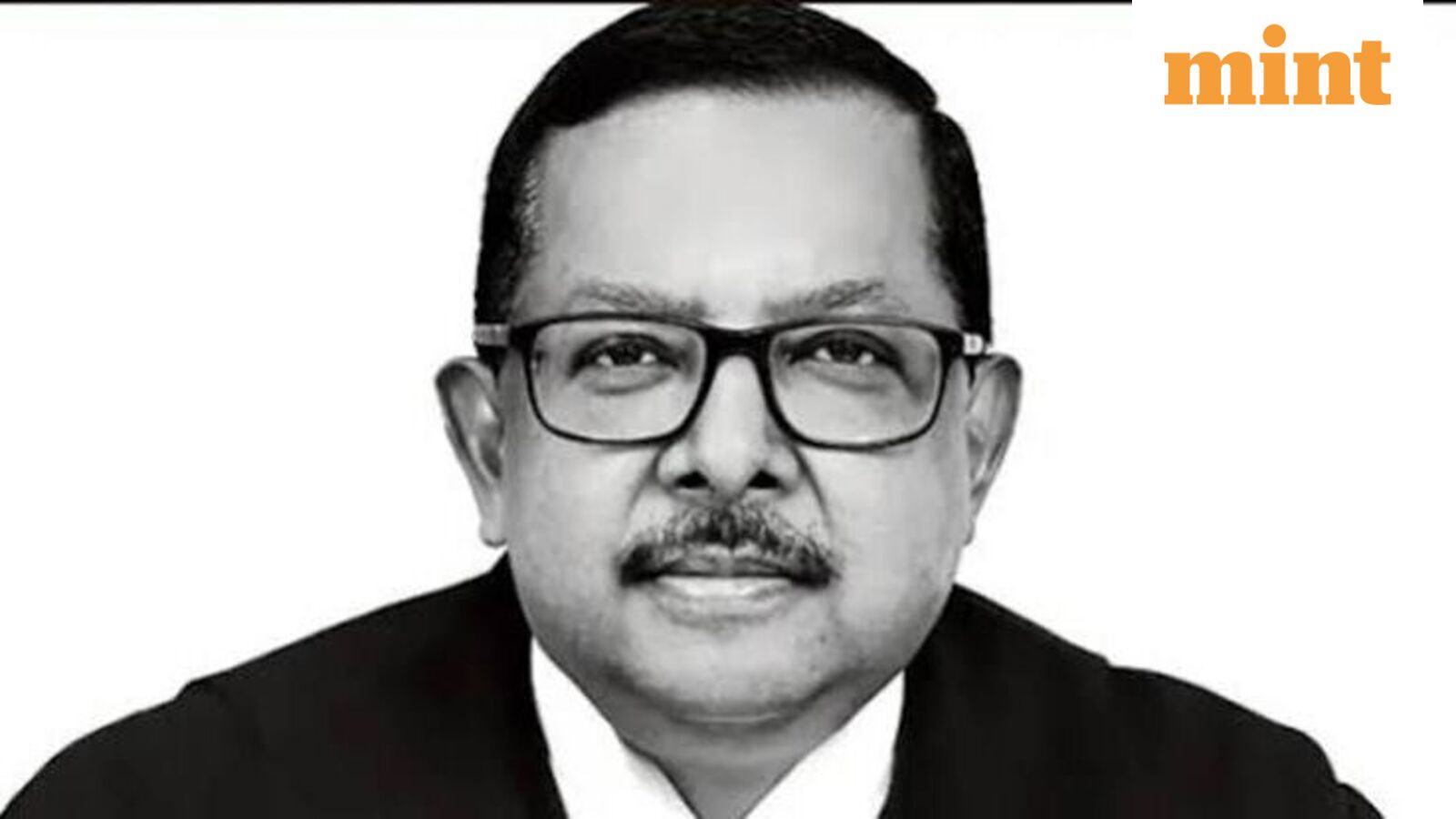
Supreme Court Justice Ujjal Bhuyan said the space for expressing dissent in India is steadily shrinking, with students arrested for protesting facing bail delays of 30 to 40 days and courts imposing conditions that curtail personal liberty.
Speaking at an event Sunday, Bhuyan cited a case where young people were denied bail after holding an Iftar gathering on a boat on the Ganga. "I am sure consuming chicken biryani is not an offence. There is no law prohibiting consumption of chicken over the Ganga river; they were arrested for that very reason and they had to remain in jail for three months," he said, according to Live Law.
"Debate and dissent are the essence of democracy. Unfortunately, even formal activities are criminalised," Bhuyan said. "People who come to voice their anguish for environmental degradation, which is a reality, are chased away as if they are criminals. Students protesting on campuses are arrested, and they don't get bail for 30-40 days. They are suspended, and then have to go to the Court, which takes time."
He pointed to bail conditions that restrict social media. In one case, a person who posted on Facebook about a minister who called a serving Indian Army officer "a daughter of a terrorist" was required to surrender his passport despite no flight risk and told not to post anything on Facebook, Bhuyan said.
The judge also referenced the Gulfisha judgment in the Delhi riots case, where student activists who had served long incarceration were granted bail but ordered not to participate in or address any public meetings, physically or virtually. "Imposing such restrictive conditions severely undermines their fundamental freedoms and liberty," he said. "People would be justified in asking whether, by passing such orders or by imposing such conditions, is the Court also sending a message that don't participate in such public activities?"
"I will not comment on any contemporary happenings in the country; I will refrain from doing so. But it will not be an exaggeration to say that public space for expressing divergent opinion is shrinking in India," Bhuyan said. "Right to express one's views and right to demonstrate peacefully are fundamental freedoms of citizens."