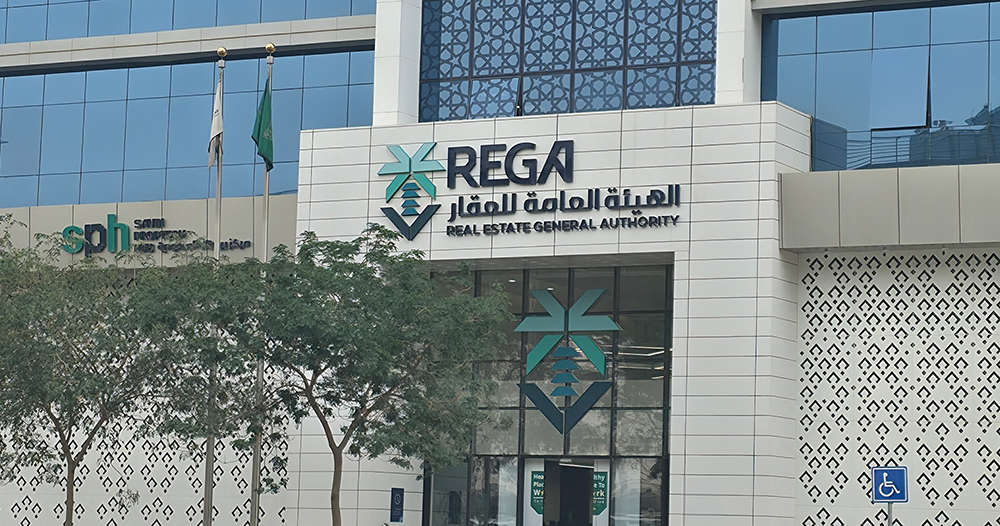
The Real Estate General Authority published draft regulations covering property management and facilities management for public consultation. The move opens a 30-day window for real estate operators, owners, and service providers to shape rules that will govern contractual relationships, operational standards, and resource efficiency across the kingdom.
Draft Regulations Target Two Operating Layers
The consultation, hosted on the Istitlaa platform, splits into two distinct regulatory frameworks. The facilities management draft focuses on the safe and efficient operation of technical services inside properties. It sets higher benchmarks for cleanliness, security, maintenance, and safety, and explicitly ties compliance to improved energy and water consumption. The property management draft addresses the contractual architecture between owners and managers. It clarifies powers and responsibilities, protects the financial and administrative rights of owners and tenants, and mandates greater transparency and professionalism in revenue management.
For market participants, the dual-track approach signals that the regulator is treating the operational side (facilities) and the agency side (property management) as separate compliance verticals. A company that bundles both services will need to meet two sets of standards, not one.
What the Consultation Means for Real Estate Operators
The immediate read is that formalized rules raise the compliance floor. Smaller, unlicensed operators that currently manage residential or commercial assets on informal agreements will face the highest adjustment cost. Larger, institutional players with existing ISO-style processes may absorb the rules with less friction. The draft regulations do not yet specify licensing fees, capital requirements, or enforcement penalties. Those details will determine whether the rules act as a barrier to entry or a mild standardization exercise.
Demand-side effects are less direct. Clearer rights for tenants and owners could reduce disputes and accelerate leasing velocity in segments where mistrust slows deal flow. The emphasis on energy and water efficiency aligns with Vision 2030 sustainability targets and may eventually link to utility cost pass-throughs, a factor that matters for net operating income in multi-tenant buildings.
Saudi-listed entities with exposure to property and facilities management include Taiba Investments, Makkah Construction and Development, and several REITs that outsource or insource these functions. The draft rules do not name any specific company, and no immediate earnings impact is quantifiable. The consultation period itself is a process step, not a P&L event. The chain of impact runs through final regulation content, enforcement timelines, and the cost of compliance relative to the size of each operator's managed portfolio.
June 14 Deadline Sets the Next Decision Point
The consultation period began May 14 and closes June 14. After that, REGA will review submissions and publish final regulations. The timeline matters because it gives real estate service firms roughly one month to assess the draft text and submit feedback that could shape the final compliance burden. Companies that engage early may secure transitional provisions or phased implementation schedules. Those that wait for the final rules will have less room to adjust.
For traders tracking Saudi real estate names, the consultation is a soft catalyst. It does not move earnings estimates today. It does, however, begin a regulatory sequence that will eventually separate compliant operators from the rest. The final regulations, when issued, will provide the first concrete numbers on compliance cost and scope. Until then, the draft text is the only available signal.