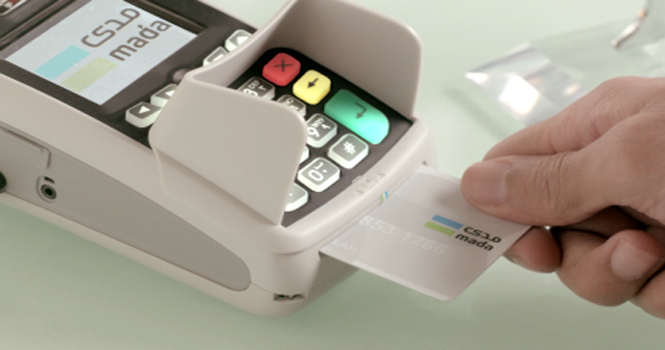
Point-of-sale transactions in Saudi Arabia came in at SAR 12.3 billion in the week ended July 25, SAMA data showed. That is down from SAR 13 billion the previous week. The number of transactions fell to 226.2 million from 236.7 million.
The weekly dip follows a familiar pattern. Salary disbursements to government employees land on the 27th of each month, pushing spending higher in weeks that include that date. The July 25 week sits two days before the July salary run, so the decline aligns with the usual pre-payroll lull.
A cleaner view of the trend comes from the four-week moving average, which held at about SAR 14 billion. That average has been running above the highs of prior years. In 2025 the weekly range stretches from SAR 11.4 billion to SAR 15.3 billion. In 2024 the range was SAR 11.5 billion to SAR 13.8 billion, SAMA data showed. The 2025 range is wider on the upside, suggesting consumer spending has grown even after accounting for salary-cycle swings.
Food and beverages accounted for the largest category, 15.6% of total POS value, or SAR 1.91 billion. Restaurants and cafes made up another 13.4%, or SAR 1.64 billion. Together they represent nearly 29% of card spending, pointing to sustained demand for groceries and dining out.
Riyadh led all cities with SAR 4.16 billion in consumer spending, or 33.9% of the national total. Jeddah came second at SAR 1.73 billion, or 14.1%. The two cities together account for nearly half of all POS transactions, a concentration that mirrors population and commercial density.
Beyond the weekly numbers, SAMA reported that e-payments in the retail sector reached 85% of total individual payments in 2025. That surpasses the 70% target set under the Financial Sector Development Program, one of the pillars of Saudi Vision 2030. The central bank has pushed aggressively to shift transactions away from cash, and the data shows that effort has succeeded ahead of schedule.
The 85% figure covers payments made by individuals at retail outlets, including online and in-store card use. SAMA attributed the progress to strategic initiatives and cooperation with the financial sector. The rapid adoption of digital payments has been a recurring theme in Saudi economic data over the past several years.