Stocks● Neutral
Saudi Pledge Targets Oil Risk Premium, Not Supply
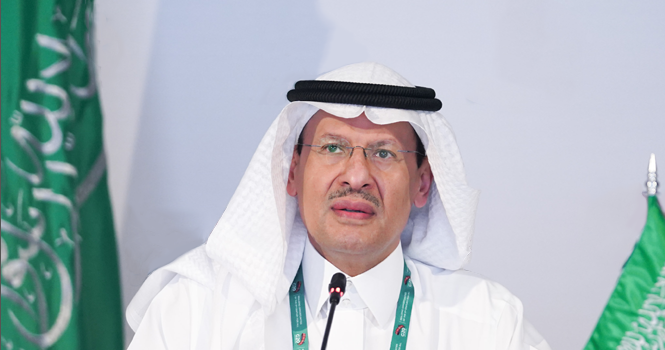
Saudi Energy Minister pledges reliable supply under all conditions. The market test is whether volatility sellers absorb the pledge or keep the risk premium intact.
Continue with
Saudi Energy Minister Prince Abdulaziz bin Salman said the kingdom will remain a reliable energy supplier under all circumstances. Current geopolitical conditions have proven this, he added. The statement is a direct effort to cap the risk premium in crude oil futures after weeks of supply-threat headlines from the Red Sea, Houthi attacks, and broader Middle East tensions.
For traders, the question is not whether Saudi Arabia has the physical capacity to maintain exports. It does. The question is whether the market fully discounts the political will to guarantee that flow without disruption. The minister's words aim to compress the uncertainty spread that has pushed Brent crude into a higher volatility regime since mid-2024.
The Statement and the Context
The Saudi Energy Minister did not offer new production targets or a quantitative backstop. The phrase "under all circumstances" is intentionally broad. It covers scenarios from Hormuz closure risks to OPEC+ quota disputes to internal security events. By citing "current geopolitical conditions" as evidence, Prince Abdulaziz is implicitly arguing that recent supply scares – Houthi drone strikes on Saudi facilities, the Red Sea shipping crisis, and the Iran-Israel escalations – have already tested the kingdom's reliability and found it intact.
This is a reputation pledge, not a policy change. Saudi Arabia has historically used such statements to calm markets during periods of elevated geopolitical risk. The last similar reassurance came in March 2022 after the U.S. and UK banned Russian oil imports. That statement helped flatten the prompt futures spread temporarily. The effect faded within two weeks as actual disruption fears shifted to other choke points.
Spare Capacity and Market Credibility
Saudi Arabia holds the world's largest spare production capacity – about 1.5 to 2 million barrels per day above current output, according to OPEC+ data visible to market participants. That cushion is the real backstop behind the minister's words. Spare capacity is not a guarantee. It is a buffer against physical shortfalls. It cannot offset a prolonged outage of a major chokepoint like the Strait of Hormuz. The market knows this. The risk premium in crude today reflects both the spare capacity buffer and the tail risk that a regional escalation bypasses that buffer.
What matters for positioning is the interplay between the verbal commitment and actual market flows. If commodity trading advisors and hedge funds take the statement at face value, they may reduce long volatility bets and unwind the geopolitical tails in options. That would compress the Brent backwardation and lower the call skew. If the statement is seen as wishful, the risk premium stays.