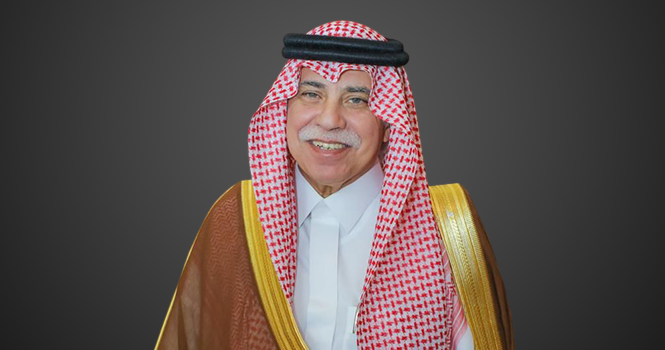
Commerce Minister Majid Al-Qasabi said the issuance of executive regulations and geographical zones for non-Saudi real estate ownership will attract talent and boost companies. The statement, made during a session on investment, marks a concrete step in opening the kingdom's property market to foreign buyers.
The rules will specify areas where non-Saudis can own land and buildings – a right that has been tightly restricted. Saudi Arabia's Vision 2030 program aims to diversify the economy and increase foreign direct investment. Easing ownership rules is one of several measures designed to make the kingdom more attractive to expatriate professionals and the companies that employ them.
For talent, the change matters. The ability to buy a home is a key factor in long-term relocation decisions. Expatriates in Saudi Arabia have long rented, with limited options for ownership. Giving them the right to purchase real estate should improve retention, especially for senior executives and specialists who might otherwise leave after a few years.
For companies, the reform lowers a barrier to staffing. Multinational firms often struggle to convince top employees to move to the kingdom, partly because of housing constraints. With ownership on the table, relocation packages become simpler and the pitch to move to Riyadh or Jeddah gets stronger. Al-Qasabi framed the rules as a competitiveness tool.
The real estate sector stands to benefit directly. Developers of residential and commercial projects will see a new pool of buyers. Demand could shift toward villa compounds and luxury apartments in areas designated for foreign ownership. Construction companies and building materials suppliers may also see a lift in orders. The timeline depends on how quickly the zones are published.
The minister did not specify when the regulations will take effect. The geographical zones themselves are a critical detail. Areas popular with expatriates – diplomatic quarters, business districts, new megaprojects like NEOM and the Red Sea resorts – are likely candidates. The exact boundaries will determine which landowners and developers profit most.
The move aligns with broader economic reforms reviewed by the Saudi cabinet, which has highlighted development achievements in recent sessions. That review covered progress across multiple sectors, including investment climate improvements.
Investors will watch for the official publication of the zones and the executive regulations. Until then, the policy remains a promise. Al-Qasabi's public backing suggests the government sees real estate liberalization as a tool to achieve its growth targets, not just a symbolic gesture.