Stocks● Neutral
Saudi Investment Bank Launches SAR-Denominated AT1 Sukuk Program
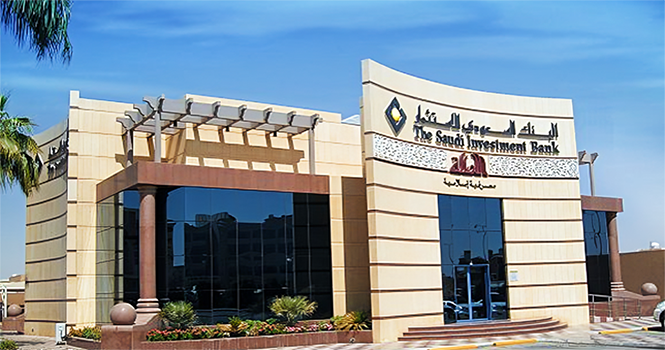
The bank is optimizing its capital structure to meet Basel III requirements. Investors should monitor initial tranche pricing for signs of market confidence.
Continue with
Strategic Capital Optimization
The Saudi Investment Bank (SAIB) has officially commenced the issuance of Saudi Riyal (SAR)-denominated Additional Tier 1 (AT1) sukuk, marking a proactive shift in the bank’s capital management strategy. This move, executed under the bank’s newly established AT1 sukuk issuance program, is designed to strengthen its Tier 1 capital base and provide a robust financial cushion for future expansion and risk-weighted asset growth.
By tapping into the domestic debt capital market, SAIB is positioning itself to optimize its capital structure in line with Basel III regulatory requirements. For institutional investors and regional asset managers, this issuance represents a significant opportunity to gain exposure to a high-quality credit instrument within the Saudi financial sector, which has seen increased activity as banks align with the broader goals of Vision 2030.
Understanding the Instrument
Additional Tier 1 (AT1) sukuk are perpetual, subordinated financial instruments that function similarly to convertible bonds in conventional banking. They are classified as equity for regulatory capital purposes while offering fixed-rate periodic distributions to investors. For SAIB, the decision to denominate these in SAR rather than foreign currencies mitigates currency risk and taps into the deep liquidity pools currently present within the Saudi domestic market.
The issuance is part of a broader trend where Saudi financial institutions are increasingly utilizing hybrid capital instruments to maintain optimal capital adequacy ratios (CAR) without diluting existing shareholders. As the Saudi banking sector continues to expand its balance sheets to support large-scale infrastructure projects and corporate lending, the ability to issue these instruments provides a vital lever for maintaining financial stability.