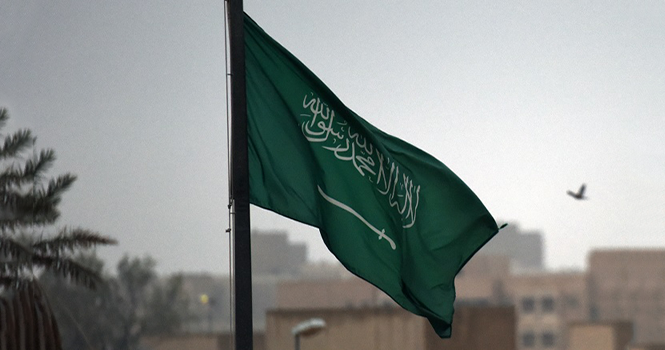
Saudi Arabia’s Industrial Production Index (IPI) recorded a 1% year-over-year increase in February 2026, reaching 104.5 points compared to 103.5 points in the same month of the previous year. This incremental gain reflects a broader trend of industrial activity stabilizing within the Kingdom as the economy continues to diversify its output beyond traditional energy extraction. The index, which utilizes 2023 as its base year, serves as a primary gauge for the health of the manufacturing, mining, and utility sectors.
Sectoral Drivers and Manufacturing Resilience
The modest expansion in the IPI is largely attributed to sustained activity in the manufacturing sector, which has become a focal point for national economic development initiatives. While the mining and quarrying sectors often exert significant influence on the headline index due to their sheer scale, the 1% growth suggests that non-oil industrial segments are providing a consistent floor for production levels. This shift is critical for investors monitoring consumer health trends and the evolving landscape of lifestyle-linked equities, as industrial output often correlates with the availability of locally produced goods and services.
Infrastructure projects and the expansion of industrial zones continue to support the utility and manufacturing components of the index. As the Kingdom pushes forward with large-scale capital projects, the demand for construction materials and processed industrial inputs remains a key variable. The ability of the manufacturing base to maintain positive growth despite global supply chain fluctuations highlights the increasing integration of domestic production into the wider regional economy.
Economic Context and Industrial Scaling
The IPI data provides a window into the operational tempo of the Saudi industrial landscape. For companies involved in large-scale infrastructure or energy-intensive sectors, such as those seen in the recent ACWA Power Secures SAR 11.5 Billion Contract for Rabigh 2 Expansion, the index serves as a proxy for the broader industrial environment. A 1% growth rate indicates a period of controlled expansion rather than rapid acceleration, suggesting that firms are managing capacity in line with current demand rather than overextending operations.
Key factors influencing the current index trajectory include:
- Continued investment in local manufacturing facilities to reduce import reliance.
- Steady demand for utilities to support new industrial and residential developments.
- Strategic alignment of production output with long-term national economic diversification goals.
AlphaScala data indicates that the current index level of 104.5 points remains within the expected range for the first quarter of the year, showing no signs of significant volatility in output volume. The consistency of these figures suggests that industrial players are maintaining stable production schedules despite shifting global trade dynamics.
Path to Future Industrial Benchmarks
The next critical marker for the IPI will be the release of the March 2026 data, which will confirm whether the February growth represents a sustained trend or a temporary fluctuation. Investors should monitor subsequent reports for shifts in the mining and quarrying sub-indices, as these often dictate the direction of the headline figure. Additionally, any updates regarding new industrial licensing or capacity expansion announcements will provide further clarity on whether the 1% growth rate is likely to accelerate in the coming quarters. As the Kingdom continues to refine its industrial policy, the IPI will remain the primary metric for assessing the success of these structural changes in real-time.