Saudi Industrial Output Plunges 19% as OPEC+ Cuts Bite
Saudi industrial output fell 19.1% in April as oil cuts deepened, while non-oil manufacturing rose 3.1%, data shows.
Saudi Arabia’s industrial production index dropped 19.1% year-on-year in April, hitting 84.9 points from 104.9 a year earlier, according to data released by the General Authority for Statistics on Wednesday. The base year for the index is 2021.
The mining and quarrying sector – which includes crude oil and natural gas extraction – drove the decline. That sub-index fell 21.3% in April, reflecting Saudi Arabia’s continued compliance with OPEC+ production cuts. The kingdom cut output by an additional 1 million barrels per day starting in July 2023, a voluntary reduction it has since phased out gradually.
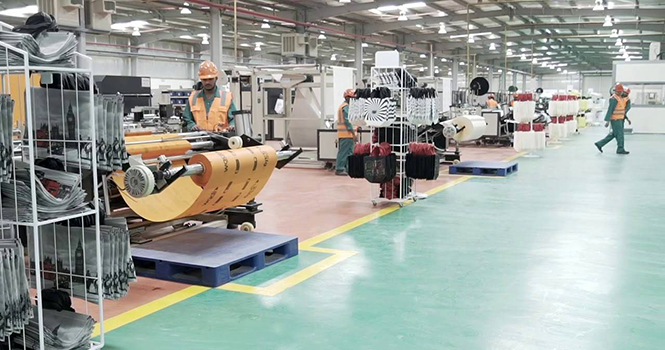
Manufacturing activity, by contrast, offered a counterweight. The manufacturing sub-index rose 3.1% year-on-year in April, driven by the petrochemicals, plastics, and metals sectors. Non-oil manufacturing, part of the broader Vision 2030 push to diversify the economy away from crude, posted a 3.5% gain.
The divergence between oil and non-oil output has widened since 2023. Mining and quarrying represented about 43% of the IPI weight in the 2021 base year. A sustained 20%-plus contraction in that category pulls the headline number lower even when manufacturing expands.
The General Authority for Statistics revised the March 2026 IPI reading to a 16.6% annual decline, slightly narrower than the preliminary 17.0% drop. April’s reading accelerated the year-on-year pace of contraction for the fourth consecutive month.
Saudi Arabia’s real GDP contracted 1.7% in the first quarter of 2026, with oil sector GDP down 11.2%. The non-oil economy grew 2.5%. The IPI data tracks industrial activity more tightly than GDP, and the April print suggests oil-sector drag continued into the second quarter.
The index also reflected a recovery in electricity and gas supply, which rose 5.2% year-on-year in April, consistent with higher air-conditioning demand as summer temperatures climb.
GASTAT releases the IPI with a roughly 30-day lag. The May reading is due in early July.
Drafted by a large language model from the source reporting linked above, then screened by automated publishing checks. It is not read by a journalist before publication. Some articles cite our Alpha Score. Verify prices and figures against the original source. Educational coverage, not personalized advice.