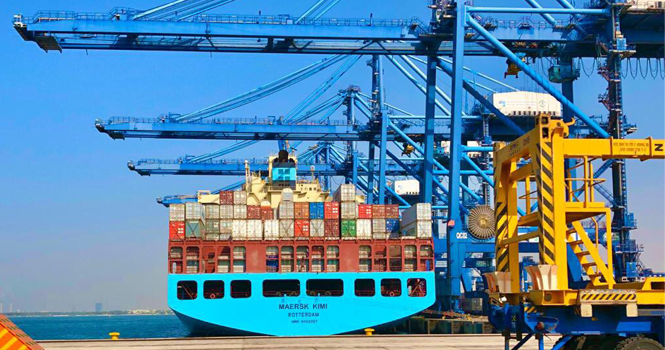
Saudi Arabia’s merchandise imports climbed 7% year-on-year in February 2026, reaching a total value of SAR 76.1 billion. This expansion in import volume reflects a continued appetite for foreign goods and industrial inputs within the Kingdom. As the economy undergoes structural diversification, the flow of capital goods and consumer products through major hubs like the Jeddah Islamic Port serves as a primary indicator of domestic consumption trends and infrastructure development pace.
Import Velocity and Infrastructure Throughput
The rise in import figures points to a consistent demand profile that persists despite broader fluctuations in global commodity pricing. Increased import activity often correlates with the acceleration of large-scale projects that require specialized machinery and raw materials not produced locally. This uptick suggests that supply chain logistics are successfully absorbing higher volumes, maintaining the momentum required for ongoing national development initiatives. The ability of ports to handle this increased throughput without significant bottlenecks remains a critical factor for maintaining the current pace of economic activity.
Sectoral Read-Through and Economic Linkages
For investors monitoring regional growth, the import data provides a window into the health of the non-oil sector. While oil exports remain the primary driver of the national balance sheet, the import side of the ledger highlights the intensity of domestic investment. Companies involved in logistics, construction, and retail distribution are the immediate beneficiaries of this trend. Sustained growth in imports typically precedes increased activity in local manufacturing and service sectors, as these goods are integrated into the broader value chain.
AlphaScala currently tracks the technology sector with a focus on hardware and infrastructure providers. ON (ON Semiconductor Corporation) holds an Alpha Score of 46/100, reflecting a Mixed outlook within the broader technology space. Investors can review the ON stock page for further technical details on how global supply chain shifts influence semiconductor demand. This data point is part of our broader stock market analysis covering regional industrial performance.
The Path to Future Trade Balances
The next concrete marker for this narrative will be the release of the March trade balance data. Analysts will look for a correlation between the February import surge and potential shifts in non-oil export capacity. If imports continue to outpace export growth in the non-oil segment, the focus will shift toward the sustainability of the current account surplus. Monitoring the monthly variance in these figures will determine if the February increase represents a seasonal anomaly or the beginning of a more aggressive phase of capital expenditure. The interplay between import costs and the strength of the local currency will also remain a key variable for firms managing cross-border procurement strategies.