Stocks● Neutral
Saudi Football Spending: World Cup Win Locks In Decade-Long Build
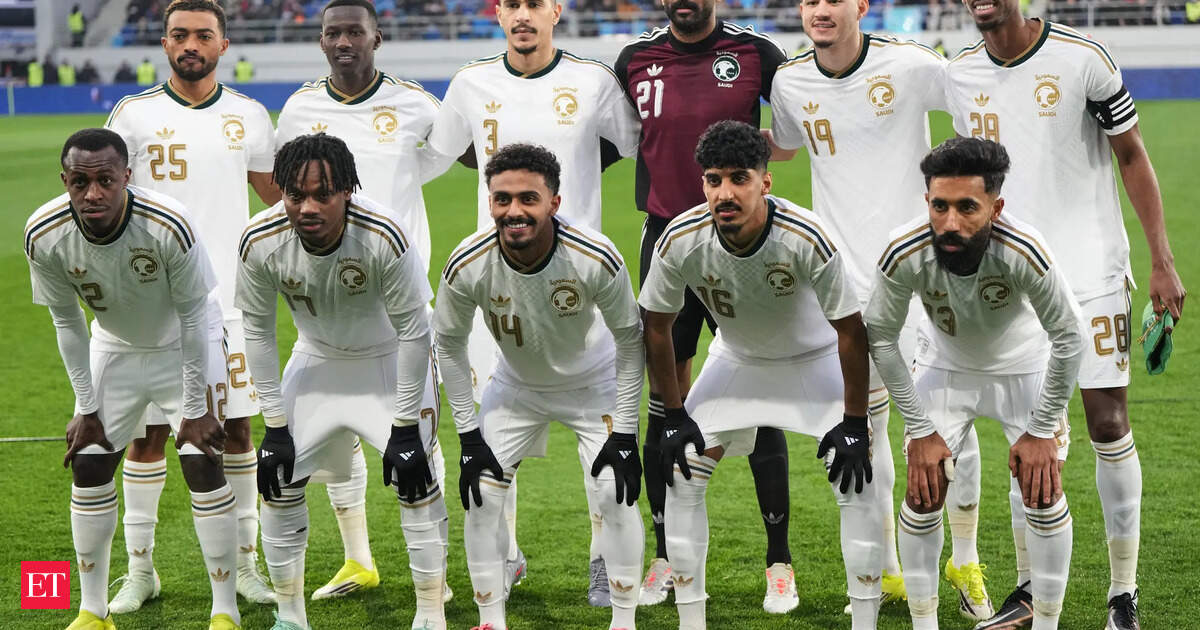
Saudi football spending locks in a decade-long infrastructure build. The revenue conversion rate from tourism, media, and talent development determines the return.
Continue with
Saudi Arabia is spending billions on football, from signing global stars like Cristiano Ronaldo and Karim Benzema to securing the 2034 World Cup hosting rights. The immediate consequence is a dramatic shift in the kingdom's non-oil investment narrative. For decades, Saudi economic diversification relied on infrastructure and petrochemicals. Now, sports are the headline allocation.
What changed is the scale. The star signing spree gives the Saudi Pro League global visibility. The World Cup win locks in a decade-long infrastructure build. The spending is not a marketing stunt. It is a capital allocation decision with a targeted payoff: higher tourism receipts, media rights revenue, and an improved international image that could support foreign direct investment.
The simple read is that Saudi Arabia is buying attention. The better market read starts with the revenue mechanism. Tourism is the most direct line item. The kingdom wants 150 million annual visits by 2030. Football drives match-day tourism and leisure travel from regions with deep fan bases. Media rights for the Pro League have already jumped in value, though absolute numbers remain small relative to top European leagues. Merchandise and sponsorship are secondary growing streams.
Revenue Channels: Tourism, Media, and the Image Premium
The segment that changed the investment case is tourism infrastructure. The World Cup win forces Saudi authorities to deliver stadiums, hotels, and transport on a fixed timeline. That turns a discretionary spending plan into a binding capital commitment. Early signs show acceleration: hotel construction permits in Riyadh and Jeddah are rising. Airline capacity to the kingdom is expanding.
Media rights are the second leg. The Pro League's international broadcast deal with DAZN was a structural step. The valuation remains a fraction of the English Premier League. The gap is the risk. If Saudi football does not retain global interest after initial star contracts expire, media revenue will plateau.
A third channel is harder to measure: the image premium on non-oil exports and FDI. Saudi leadership has stated that sports diplomacy helps re-brand the country. If that works, the cost of the football program is a marketing expense with a large uncertain return. If it does not, billions in sunk stadium costs sit with no offset.