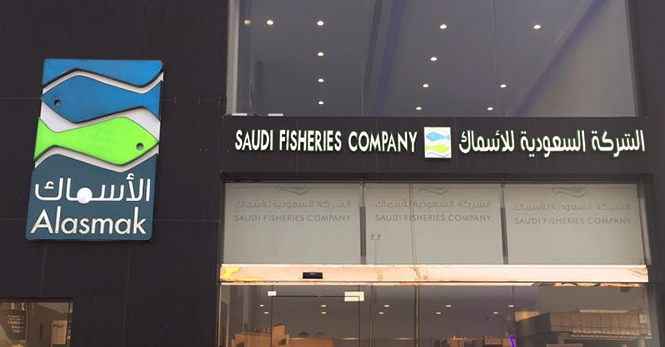
Saudi Fisheries is closing five Riyadh retail outlets to prioritize higher-value operations. The move aims to cut overhead and improve overall margins.
Saudi Fisheries has confirmed a significant shift in its operational model following a board decision on Monday to shutter its entire network of retail showroom branches. The move involves the immediate closure of five specific outlets located in Riyadh. This decision marks a departure from the company's traditional direct-to-consumer retail presence, signaling a broader intent to reallocate capital and management focus toward higher-value activities within its core business segments.
For investors, the closure of these five Riyadh-based showrooms is less about the loss of physical footprint and more about the underlying margin profile of the company's retail operations. Retail storefronts in the food and fisheries sector often carry heavy overhead costs, including lease obligations, inventory management, and staffing, which can weigh heavily on net income if the volume does not justify the fixed expense. By exiting these locations, the company is likely attempting to streamline its balance sheet and reduce operational complexity.
This pivot suggests that the board has identified a higher return on invested capital in wholesale distribution, processing, or export operations compared to the retail segment. The transition away from consumer-facing storefronts often indicates that management is prioritizing volume-based sales channels where margins are more predictable and scaling is less dependent on individual retail site performance. The success of this strategy will depend on whether the company can successfully transition its existing retail customer base to its wholesale or digital distribution channels without significant churn.
Market observers should look for how this reduction in physical infrastructure impacts the company's quarterly operating expenses. If the retail outlets were indeed a drag on profitability, the removal of these fixed costs should theoretically improve the operating margin in subsequent periods. However, the immediate impact may include one-time restructuring charges related to lease terminations and asset liquidations. These costs are a necessary friction in the transition to a leaner, more focused business model.
Beyond the immediate cost savings, the move raises questions about the company's long-term competitive positioning. If the retail outlets served as a primary branding vehicle, the company must now find alternative ways to maintain market share and brand visibility in the competitive Saudi food sector. Investors should monitor future disclosures for details on how the company plans to replace the revenue previously generated by these five Riyadh locations. The primary indicator of success will be the stabilization of revenue streams as the company shifts its focus toward higher-value activities. Any further announcements regarding the divestment of remaining assets or the expansion of wholesale capacity will be the next concrete marker for assessing the efficacy of this pivot. For those tracking broader shifts in the region, this follows other infrastructure and corporate developments like the Emaar EC Awards SAR 547M Infrastructure Deal to Nesma, which highlights the ongoing capital reallocation across the Saudi market.
AI-drafted from named sources and checked against AlphaScala publishing rules before release. Direct quotes must match source text, low-information tables are removed, and thinner or higher-risk stories can be held for manual review.