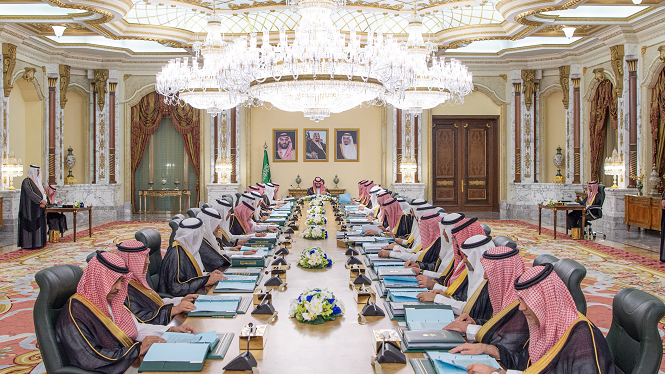
Saudi Arabia has initiated a structural shift in its fiscal management, with the Cabinet approving new regulations for a dedicated Non-Oil Revenue Center and formalizing an amendment to the state fiscal year. This move represents a strategic pivot toward diversifying government income streams away from the traditional reliance on crude oil exports. By institutionalizing a center focused specifically on non-oil revenue, the state aims to centralize the collection and oversight of tax and non-tax income, providing a more predictable framework for national budgeting.
Institutionalizing Revenue Diversification
The creation of the Non-Oil Revenue Center serves as a mechanism to stabilize the national balance sheet against the inherent volatility of global energy markets. Historically, the Saudi fiscal position has been tethered to the fluctuations of crude oil prices, which dictate export earnings and, by extension, public spending capacity. By establishing a dedicated regulatory body, the government is signaling a move toward more rigorous enforcement of non-oil tax collection and the optimization of government service fees. This institutional change is designed to ensure that the kingdom can maintain its capital expenditure programs even during periods of suppressed energy prices.
Fiscal Calendar Realignment
The amendment to the state fiscal year is a critical component of this fiscal reform. Aligning the fiscal calendar with broader economic cycles allows for more accurate revenue forecasting and expenditure planning. This adjustment is expected to improve the synchronization between government spending cycles and the actual inflow of non-oil revenues. For investors monitoring the kingdom's fiscal health, this change reduces the opacity often associated with mid-year budget adjustments. It provides a clearer window into the government's ability to fund its long-term infrastructure projects without relying on deficit spending or drawing down sovereign wealth reserves.
Market Linkages and Economic Stability
These fiscal adjustments are closely watched by market participants who track the kingdom's role in global energy markets. As the state moves to decouple its fiscal stability from crude oil, the pressure to maintain specific production quotas to balance the budget may shift. This does not imply an immediate change in production policy, but it does alter the long-term calculus for energy-dependent revenue models. The structural changes align with broader efforts to integrate the kingdom into global financial systems, where fiscal transparency is a prerequisite for sustained foreign direct investment.
AlphaScala data currently reflects a moderate outlook for major financial institutions and healthcare entities, with Citigroup Inc. holding an Alpha Score of 63/100 and Agilent Technologies, Inc. maintaining an Alpha Score of 55/100. These scores underscore the importance of macroeconomic stability in the regions where these firms operate. For further analysis on how energy-dependent economies manage fiscal volatility, see our commodities analysis and our detailed gold profile.
The next concrete marker for this transition will be the release of the updated budget cycle under the new fiscal calendar. Market participants should look for the first quarterly report issued under these new regulations to determine if the Non-Oil Revenue Center is meeting its initial collection targets. Any deviation from these targets will provide the first real-world test of the kingdom's ability to sustain its non-oil revenue growth during a period of fluctuating global trade conditions.