Saudi firm signs 760 MW solar-plus-storage deal in Syria at $0.03/kWh
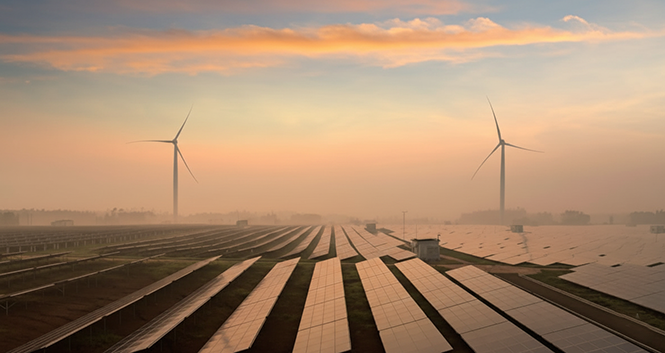
Saudi firm Al-Harfi signed three PPAs for 760 MW solar and 1,077 MWh storage in Syria at $0.03/kWh. Siemens Energy and PDC will provide technical support. The deal faces execution risk on Syria's war-damaged grid.
Mohammed Ahmed Al-Harfi Co., a Saudi energy firm supervised by the Saudi Ministry of Energy, signed three power purchase agreements with the Syrian Electricity Company on Aug. 5 in Damascus, the Saudi Press Agency reported.
The PPAs run 20 to 25 years. Tariffs start at $0.03 per kilowatt-hour. The projects, located in the Widyan Al-Rabie area of Rif Dimashq, combine 760 MW of solar generation with battery storage totaling 1,077 MWh.
Al-Harfi also signed two technical cooperation agreements alongside the PPAs. Saudi Electricity Project Development Co. will provide engineering and advisory services to support execution. Germany's Siemens Energy will cover primary substations and power generation, with a transfer of expertise on energy storage systems, SPA said.
Both accords aim to keep implementation aligned with technical standards and strengthen coordination among the Saudi firms and the Syrian side.
The agreements follow a framework deal PDC signed with Syria in February for technical and engineering services on energy projects. Siemens Energy signed a memorandum of understanding with Syria's Ministry of Energy the same month to develop a grid control and operation system for the Syrian electricity network.
SPA described the agreements as part of broader efforts to strengthen bilateral cooperation between Saudi Arabia and Syria, support energy infrastructure, and advance sustainable development objectives.
A tariff of $0.03/kWh is low by regional standards. Syria's power sector has suffered from years of conflict, with generation capacity severely reduced and grid reliability among the lowest in the Middle East. A 760 MW solar-plus-storage project at that price point would face execution risk on construction timelines, payment terms, and grid integration, though the involvement of Siemens Energy on the grid-control side may address some of the technical bottlenecks.
The Syrian Electricity Company did not comment on payment guarantees or financing structure. Al-Harfi did not provide a construction timeline or project completion target.
Drafted by a large language model from the source reporting linked above, then screened by automated publishing checks. It is not read by a journalist before publication. Some articles cite our Alpha Score. Verify prices and figures against the original source. Educational coverage, not personalized advice.