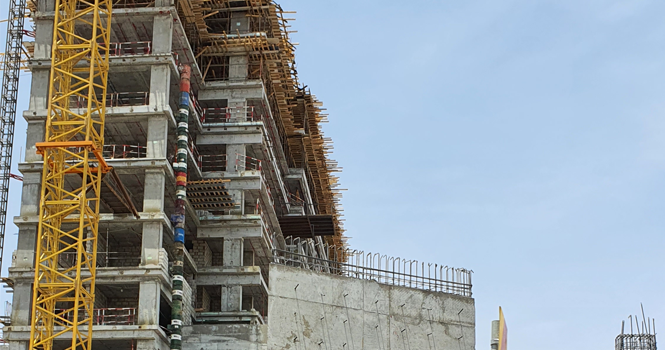
The Saudi Arabian Construction Cost Index recorded a 2% increase in March 2026 relative to the same month in the previous year. This movement marks the highest growth rate observed since the inception of the index, signaling a shift in the cost structure for large-scale infrastructure and real estate development projects across the kingdom.
Drivers of Infrastructure Cost Escalation
The rise in the index reflects a tightening in the supply chain for essential building materials and labor inputs. As the kingdom continues to accelerate its national development agenda, the demand for raw materials has begun to outpace existing supply capacities. This inflationary pressure is not isolated to a single segment but permeates the broader construction ecosystem, affecting everything from structural steel to specialized technical labor.
For firms operating within this sector, the 2% year-over-year increase represents a significant departure from previous periods of relative price stability. The cost of project execution is now sensitive to these incremental shifts, forcing developers to reassess budget contingencies for ongoing and future contracts. The ability to pass these costs on to end-users or government entities remains a critical variable for margin preservation in the coming quarters.
Sectoral Read-Through and Economic Impact
This inflationary trend carries implications for the broader regional economy, particularly for those companies heavily exposed to capital-intensive projects. When construction costs rise at record rates, the velocity of project delivery often faces friction. Developers may choose to delay non-essential phases or renegotiate terms to account for the higher input costs, potentially slowing the pace of regional development cycles.
Investors monitoring the stock market analysis should consider how these cost pressures filter into the financial statements of major contractors and materials suppliers. While increased activity levels typically drive revenue growth, the compression of margins due to rising input costs can offset the benefits of high project volume. The current environment necessitates a closer look at the contractual protections and hedging strategies employed by firms to mitigate exposure to volatile commodity pricing.
AlphaScala Data and Market Positioning
AlphaScala currently tracks the broader retail and consumer landscape, where cost pressures often mirror those found in industrial sectors. For instance, companies like Costco Wholesale Corporation, which maintains an Alpha Score of 58/100 and a Moderate label, face similar challenges in managing supply chain costs to maintain their value proposition. You can view the latest metrics on the COST stock page to understand how firms manage cost-push inflation in different economic climates.
The next concrete marker for this trend will be the release of the April 2026 construction data. This will determine whether the March increase was a temporary spike driven by specific supply chain bottlenecks or the beginning of a sustained inflationary cycle. Market participants will look for stabilization in the index to confirm that the sector can absorb these costs without triggering a broader slowdown in project commencements.