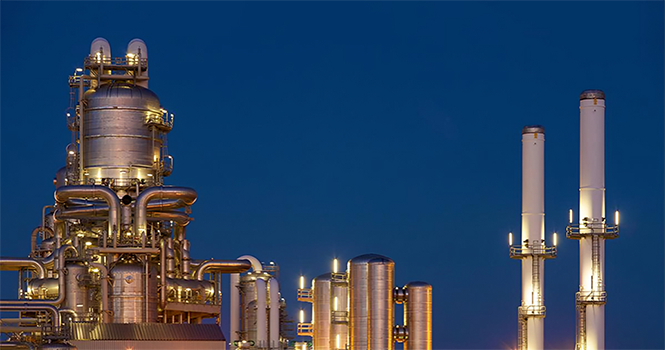
Saudi Arabia reported an 18% year-on-year increase in chemical product exports for February, reaching a total value of SAR 6.92 billion. This expansion reflects a broader push within the kingdom to diversify industrial output beyond raw crude extraction. The surge in export volume indicates that downstream processing facilities are scaling operations to meet international demand, effectively moving the country further up the value chain in the global materials market.
Impact on Industrial Diversification
The rise in chemical exports serves as a primary indicator of the effectiveness of domestic infrastructure investments. By increasing the volume of refined chemical products, Saudi entities are capturing a larger share of the margin previously held by international importers who processed these raw materials. This shift is critical for regional economic stability as it decouples a portion of national revenue from the volatility of global crude oil pricing. The sustained growth in this sector suggests that capital expenditure on industrial zones is beginning to translate into tangible trade balance improvements.
Sector Read-through and Global Linkages
Global manufacturers reliant on petrochemical inputs are monitoring these figures to gauge supply chain reliability. As Saudi Arabia increases its export capacity, the availability of feedstock for plastics, fertilizers, and specialty chemicals shifts, potentially altering the cost structure for downstream industries. This development is particularly relevant for firms engaged in Operational Friction and the Persistence of Digital Infrastructure Constraints, where the underlying material costs for hardware production remain sensitive to global commodity flows. The ability of Saudi producers to maintain this growth trajectory will depend on their integration into established global logistics networks and the stability of international demand for industrial precursors.
Valuation and Future Markers
For investors, the primary concern remains whether this export growth is a result of structural efficiency or temporary market arbitrage. While the 18% growth figure is significant, the sustainability of these margins will be tested by future fluctuations in global shipping costs and regional energy pricing policies. The next concrete marker for this narrative will be the Q1 aggregate trade report, which will clarify whether the February performance represents a seasonal anomaly or a sustained trend in industrial output.
AlphaScala currently maintains an Alpha Score of 45/100 for ON (ON Semiconductor Corporation), labeling the stock as Mixed within the technology sector. Detailed performance metrics for this and other equities can be found on the ON stock page. As the industrial landscape continues to evolve, tracking the correlation between raw material export growth and the performance of stock market analysis benchmarks will be essential for identifying long-term shifts in regional economic health. Future updates to trade filings will provide the necessary data to determine if this chemical export momentum can withstand potential cooling in global manufacturing demand.