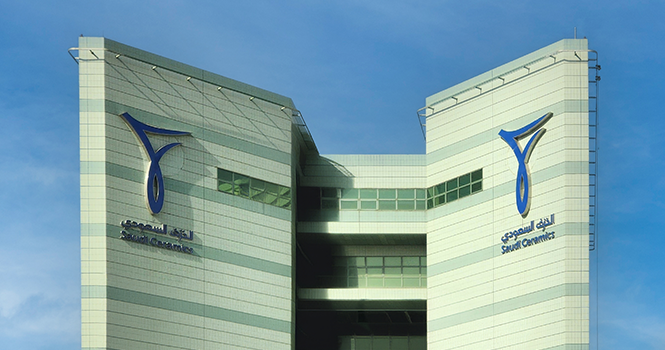
Saudi Ceramics Co. has initiated a structural change to its financial reporting framework by approving a comprehensive reassessment of the useful lives of its property, plant, and equipment. This decision follows a formal study commissioned by the company to align its depreciation schedules with the current operational reality of its manufacturing base. By adjusting the estimated lifespan of its industrial assets, the company is effectively recalibrating how it recognizes capital expenditure costs on its income statement over the coming fiscal periods.
Impact on Depreciation and Earnings Profiles
The board-approved review resulted in a bifurcated outcome for the company's asset base. Management has elected to extend the useful lives for a specific subset of equipment while simultaneously shortening the expected utility of others. This move creates a direct mechanical impact on the company's depreciation expense. Extending the life of an asset reduces the annual depreciation charge, which typically serves to bolster reported net income. Conversely, shortening the life of an asset accelerates the depreciation schedule, leading to higher annual charges and a potential drag on near-term profitability.
This accounting shift is a common mechanism for industrial firms seeking to reflect the actual wear and tear of machinery that may be performing beyond original expectations or, conversely, becoming obsolete faster than anticipated due to technological shifts. For investors, the primary concern is the degree to which this change alters the underlying cash flow narrative versus the accounting presentation. While depreciation is a non-cash expense, the timing of these charges influences tax liabilities and the perceived efficiency of the company's capital deployment.
Sectoral Context and Operational Efficiency
Manufacturing firms in the ceramics and building materials sector often face significant pressure to optimize operational efficiency as input costs fluctuate. When companies perform these types of asset reviews, it often signals an attempt to normalize margins during periods of cyclical volatility. By aligning depreciation with the actual longevity of production lines, Saudi Ceramics is attempting to provide a more accurate representation of its capital intensity.
AlphaScala data currently tracks various industrial and technology players, including ON Semiconductor Corporation, which holds an Alpha Score of 45/100 and a Mixed label. While the semiconductor and ceramics sectors operate on different technological timelines, both rely heavily on the precise management of high-cost manufacturing equipment. Monitoring how firms manage these asset lifespans provides insight into their long-term capital expenditure strategy and their ability to maintain margin stability without relying solely on volume growth.
Next Steps for Financial Disclosure
The immediate focus for market observers will be the upcoming quarterly financial statements, where the company is expected to quantify the specific impact of these adjustments on its depreciation expense. Investors should look for the reconciliation of these changes in the notes to the financial statements to determine if the adjustments are material enough to shift the company's earnings trajectory. The next concrete marker will be the release of the next set of interim results, which will provide the first look at how these revised depreciation schedules translate into the company's bottom-line performance. This transition will be critical for assessing whether the company's asset base is being managed for long-term durability or if the adjustments are a temporary measure to smooth out earnings volatility.