Stocks● Neutral
Saudi Cabinet Signs Off on 2,186-km GCC Rail Network
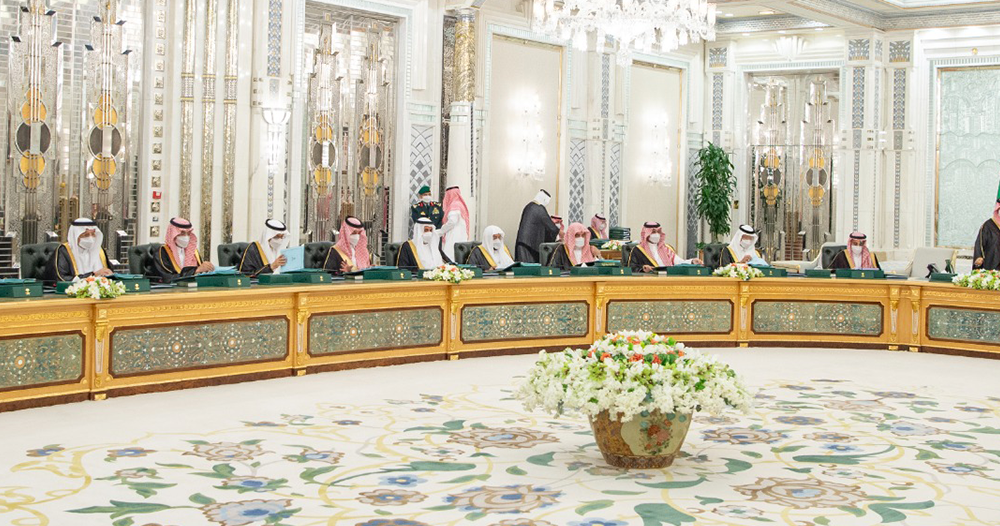
The Saudi Cabinet approved the 2,186-km GCC railway pact. Execution across six countries remains the core risk. Next milestone: a financing plan.
Continue with
The Saudi Cabinet chaired by King Salman approved the implementation of the GCC Supreme Council resolution to adopt the general agreement linking member states through a regional railway project. The same session marked the full operation of the Riyadh Metro main stations. The approval is a formal political step for a 2,186-kilometer network that would start in Kuwait, pass through Dammam, connect Bahrain via a planned bridge, and extend to Qatar, the UAE, and Oman.
The simple read is that a long-discussed pan-Gulf rail project cleared a high-level hurdle. The better market read is that this approval opens a process with material execution, funding, and coordination risks. The Cabinet resolution does not include a budget, a timeline, or a contracting vehicle. Those details will determine whether the railway becomes a real catalyst for regional construction and logistics stocks or another delayed ambition.
Sectors Capturing the 2,186-km Network
Direct exposure lies in heavy civil engineering, cement, steel, and rail systems suppliers. Saudi-based contractors with track records in mass transit, such as those involved in the Riyadh Metro, are natural contenders. UAE and Qatari firms with cross-border logistics experience also have a stake. The bridge to Bahrain alone will require specialized marine infrastructure work. Local content rules and sovereign preferences tend to fragment contract awards across the six member states, so no single company will capture the full scope. For broader context on regional infrastructure plays, see stock market analysis.