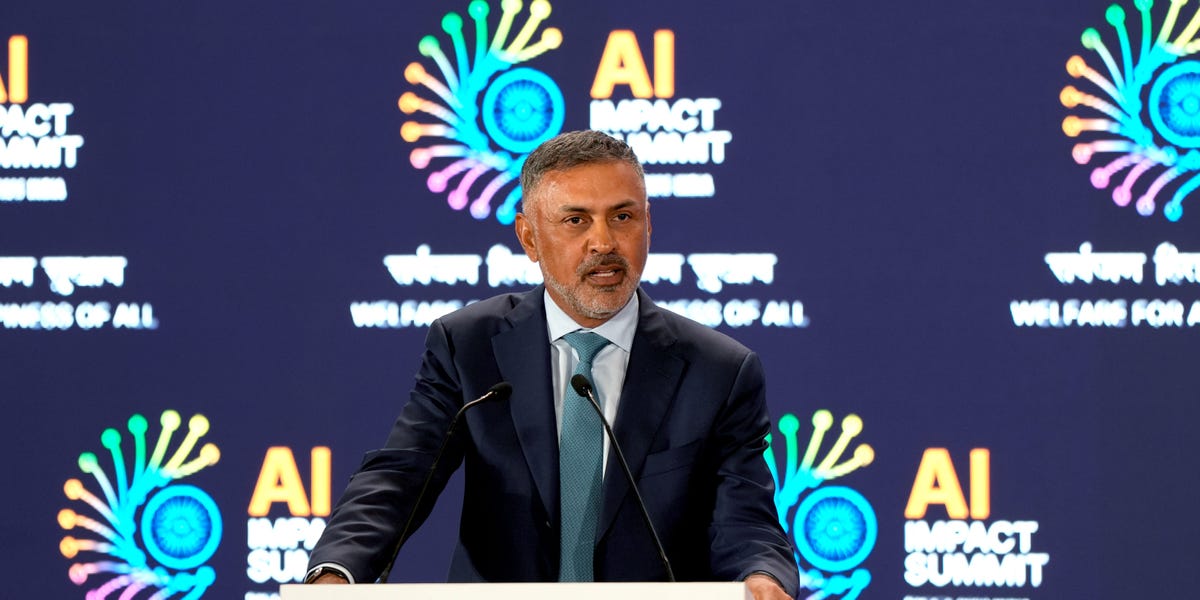
Palo Alto Networks CEO Nikesh Arora pushed back this week on the popular narrative that artificial intelligence will reduce the need for human engineers. In comments that ran counter to the prevailing AI replacement fear, Arora said the cybersecurity firm actually needs more engineers, not fewer.
The statement lands at a moment when AI-driven efficiency fears have weighed on tech hiring sentiment broadly. Palo Alto Networks is positioning AI as a force that accelerates the need for human talent, particularly in security engineering. The logic is straightforward: AI expands the attack surface and creates new categories of threats, which demand more specialized labor to manage, not less. Arora’s remark signals that PANW expects demand for its services to grow faster than any productivity gains from automation.
What Arora’s Hiring View Means for PANW’s Strategy
The CEO’s comment provides a direct window into Palo Alto Networks’ near-term strategy. If the firm is scaling headcount rather than trimming it, the implication is that management sees a widening revenue opportunity that justifies higher fixed costs. That runs contrary to the market’s recent tendency to reward cost-cutting narratives in enterprise software. Instead, Palo Alto Networks is betting that reinvestment into engineering capacity will yield outsized returns as AI adoption accelerates among its customers.
This is especially relevant for a cybersecurity company. The industry already faces a chronic talent shortage, and AI tools are not yet sophisticated enough to automate the most complex security workflows. PANW’s decision to hire more engineers suggests it believes the competitive moat will be built on human expertise, not purely on AI models. Investors should track how this hiring ramp affects operating margins in the next two quarters. A rise in R&D spending without corresponding revenue acceleration would weaken the thesis, while a stable or expanding margin alongside headcount growth would validate Arora’s bet.
AI and Cybersecurity: The Practical Read
The naive interpretation of AI in the workplace is that it replaces labor. The better market read acknowledges that in cybersecurity, AI creates a positive labor demand cycle. More AI tools mean more data flows, more endpoints, and more potential misconfigurations. Engineers are needed to design, deploy, and monitor those AI systems. Nikesh Arora’s position aligns with what several large cybersecurity vendors have signaled privately: AI is a hiring catalyst, not a headcount reducer.
For Palo Alto Networks, this distinction matters because the company’s valuation relies on sustained growth in a market that is becoming more competitive. Rivals like CrowdStrike are also investing heavily. Arora’s confidence in adding engineers suggests PANW sees a long runway for market share gains. It also implies that the company is not chasing short-term margin improvement at the expense of future capabilities.
Palo Alto Networks carries an Alpha Score of 65/100, a Moderate label within the technology sector. That score reflects a balanced risk-return profile, with no extreme bullish or bearish skew. The CEO’s hiring stance adds a data point for that assessment: the company is making an aggressive capacity bet, which could either amplify returns or increase downside if demand falters.
The next concrete marker for this story will be the quarterly earnings release. Investors should focus on headcount metrics, revenue per employee trends, and management commentary on AI-related deal flow. A pickup in large enterprise deals tied to AI security would confirm Arora’s thesis; a slowing pipeline would raise questions about the pace of reinvestment.
For a broader view of where Palo Alto Networks fits in the current market environment, see the PANW stock page and our ongoing stock market analysis.