Saudi Arabia Studies Bigger Red Sea Pipeline to Bypass Hormuz
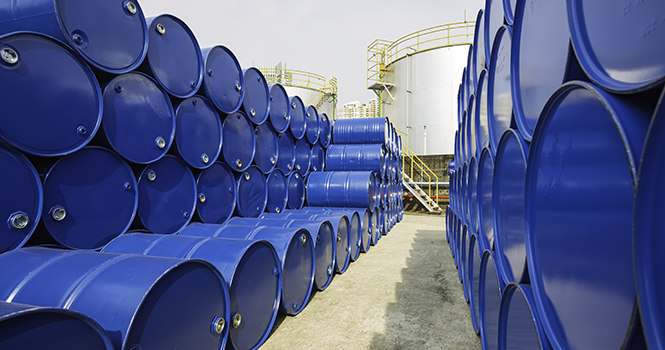
Saudi Arabia studies expanding the East-West Pipeline to Yanbu, reducing reliance on the Strait of Hormuz for crude exports to Western markets.
Alpha Score of 43 reflects weak overall profile with moderate momentum, weak value, weak quality. Based on 3 of 4 signals — score is capped at 90 until remaining data ingests.
Saudi Arabia is studying an expansion of the crude oil pipeline running to its Red Sea coast, a move that would let the Kingdom ship larger volumes west without passing through the Strait of Hormuz.
The existing East-West Pipeline, known as Petroline, already moves roughly 5 million barrels per day from the eastern oil fields to the Red Sea port of Yanbu. A capacity increase would give Riyadh more flexibility to route crude around the narrow waterway that Iran has threatened to close during past conflicts.
About 20 million barrels of oil pass through the Strait of Hormuz daily, roughly a fifth of global consumption. Any disruption there would hit Asian buyers hardest. European and American refineries that take Saudi crude via the Red Sea route would face less risk if the pipeline carries more volume.
The study phase does not guarantee construction. Saudi Arabia has evaluated similar expansions before without moving forward. The timing aligns with a period of elevated Gulf tensions and a Saudi push to diversify export routes.
A larger pipeline would also change the calculus for tanker rates. More crude moving by pipe to Yanbu means fewer Very Large Crude Carriers needed for the east-to-west run around the Arabian Peninsula. That could compress freight costs on the Red Sea leg while leaving the Hormuz-to-Asia route unaffected.
The expansion would not eliminate Hormuz risk for the bulk of Saudi exports. Most of the Kingdom's crude still loads from Ras Tanura and other eastern terminals. A bigger Petroline would raise the share of output that can bypass the strait, giving traders one less reason to price a full Hormuz closure into Saudi crude differentials.
Saudi Aramco has not commented on the study's scope or timeline. The company operates the pipeline through its subsidiary Aramco Pipeline Co. and has invested in recent years to maintain and upgrade the system.
For crude markets, the headline matters more than the timeline. Any signal that Saudi Arabia is building redundancy around Hormuz tightens the discount that buyers demand for taking delivery east of the strait. That discount has narrowed in past periods when pipeline capacity rose. The study alone may be enough to keep it compressed while the evaluation runs.
Drafted by a large language model from the source reporting linked above, then screened by automated publishing checks. It is not read by a journalist before publication. Some articles cite our Alpha Score. Verify prices and figures against the original source. Educational coverage, not personalized advice.