Commodities● Neutral
Saudi Arabia: 90 Commodities Rose, 71 Fell in April
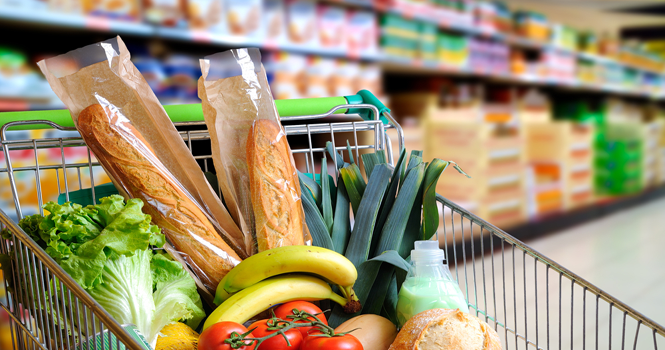
GASTAT data for April 2026: 90 commodities and services rose year-on-year, 71 fell. Food and housing inflation contrasts with broad discretionary deflation, complicating SAMA policy.
Continue with
The General Authority for Statistics (GASTAT) released its April 2026 price survey for Saudi Arabia, covering 169 commodities and services across 10 categories. The data shows a sharp split: 90 items recorded year-on-year price increases, 71 items fell, and five were unchanged. Food and housing pushed higher while discretionary goods deflated. This two-speed inflation creates a complex backdrop for the Saudi Arabian Monetary Authority (SAMA) and for traders watching consumer spending patterns.
Food Inflation: Fresh Produce Volatility Dominates
Top Risers and Fallers
Among 100 items in the food and beverages category, fresh produce led both the gainers and losers. Local grapes posted the steepest increase at 27.65%, followed by locally produced medium-sized lemons at +23.19%. Both are seasonal fruits with supply constraints tied to domestic harvest cycles.
On the downside, local round onions fell 43.71% – the largest decline across all categories. Imported round onions dropped 33.58%. The magnitude suggests a supply-side glut, possibly from abundant domestic harvests or cheaper import flows.
| Item | YoY Change |
|---|---|
| Local grapes | +27.65% |
| Local lemons (medium) | +23.19% |
| Local round onions | –43.71% |
| Imported round onions | –33.58% |
Broader Food Basket
The food category showed a net inflationary tilt: more items rose than fell. GASTAT did not disclose the exact count for the food subgroup, the fresh produce volatility is the dominant driver of Saudi food inflation. The kingdom relies heavily on imports for staple grains and on seasonal domestic production for fruits and vegetables. Any disruption to either channel can produce outsized swings.
Housing and Utilities: 29 of 38 Items Climb
Shelter Costs Add Pressure
The housing, utilities, and fuel category recorded the most lopsided increase of any group: 29 items rose, eight declined, and one was unchanged. This category includes rent, electricity, water, and fuel costs. The broad rise indicates upward pressure on shelter costs, which carry a high weight in household budgets.
Fuel Contribution
Fuel prices are a subset of this category. The overall rise implies energy costs contributed. Saudi domestic fuel prices are partially linked to global benchmarks. April 2026 saw Brent crude averaging near $85/bbl, up from the prior year. Higher energy costs feed through to utility bills and transport expenses.
Deflation Spreads Across Discretionary Categories
Broad-Based Declines in Three Groups
Three categories recorded declines for all tracked items:
- Personal care, social protection, and miscellaneous goods – all items down.
- Household goods and maintenance – all four items under furniture, equipment, and routine maintenance lower.
- Tobacco – Marlboro cigarette prices declined year-on-year.
This deflationary pocket signals weak demand, import competition, or retailer discounting. For traders, it points to softening consumer discretionary spending in Saudi Arabia. The high interest rate environment (SAMA has followed the Federal Reserve's tightening cycle) is compressing demand for non-essentials.