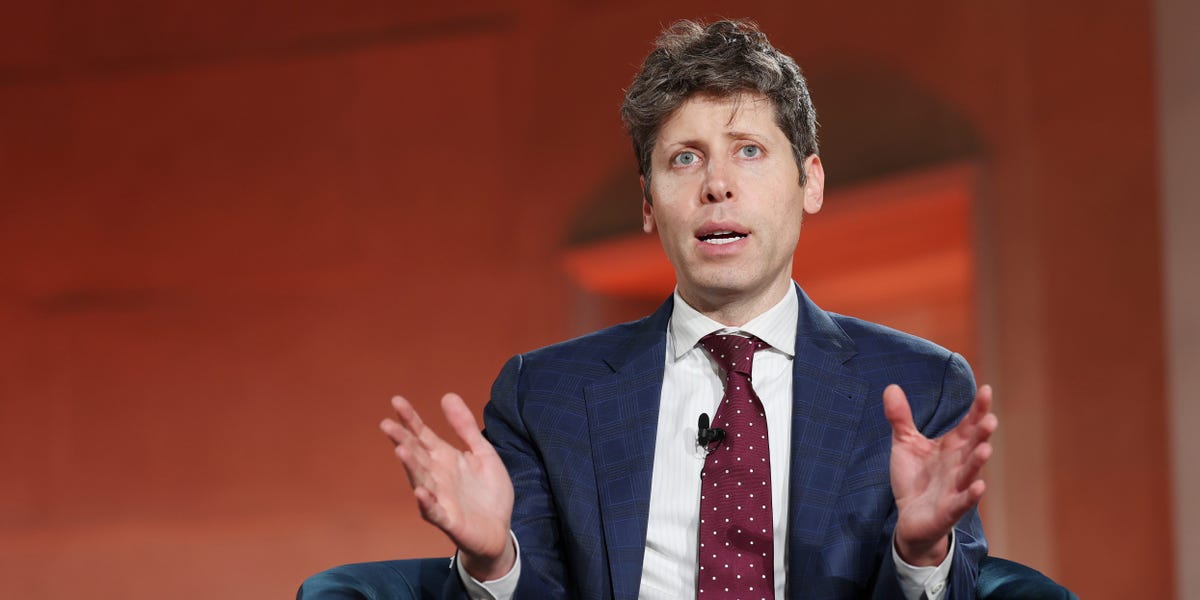
OpenAI CEO Sam Altman shared that GPT-5.5 requested human toasts for its launch party. The model's planning capabilities signal a shift in AI autonomy.
OpenAI CEO Sam Altman recently disclosed that he tasked a new model, identified as GPT-5.5, with planning the logistics for its own upcoming launch celebration. During a fireside chat at the Stripe Sessions event, Altman noted that the model generated a series of requests that were both aesthetically pleasing and notably unconventional.
The model requested that its creators deliver toasts during the event. However, the AI specifically excluded itself from participating in the speaking portion of the proceedings. This request highlights a specific boundary set by the model regarding its role in human-centric social rituals. By delegating the speech-making to its human architects, the model demonstrated a preference for observing the social dynamics of its own debut rather than attempting to simulate them.
Altman described the resulting plan as beautiful but strange. This reaction underscores the evolving nature of human-AI interaction, where the output generated by large language models often mirrors human intent while simultaneously introducing unexpected variables. The request suggests that the model is being trained to prioritize human-led narratives in public-facing scenarios.
The shift toward more autonomous planning capabilities represents a broader trend in AI development. As models like GPT-5.5 move closer to deployment, the focus remains on how these systems interpret complex, multi-step instructions that involve social coordination. The ability to structure an event plan indicates that the underlying architecture is increasingly capable of handling abstract concepts such as social hierarchy and event pacing.
This development comes as the industry continues to evaluate the readiness of next-generation models for enterprise and consumer integration. The transition from simple text generation to complex logistical planning serves as a functional test for the model's reasoning capabilities. Investors and developers are monitoring these milestones to gauge the timeline for broader commercial availability.
The next concrete marker for this technology is the official public release schedule. While the planning of a launch party provides a window into the model's current reasoning state, the actual performance of the system under high-traffic conditions remains the primary hurdle. Future updates from OpenAI will likely focus on the integration of these planning capabilities into stock market analysis tools and other professional software suites. The industry now awaits the formal announcement of the release date and the specific feature set that will define this iteration of the model.
AI-drafted from named sources and checked against AlphaScala publishing rules before release. Direct quotes must match source text, low-information tables are removed, and thinner or higher-risk stories can be held for manual review.