Stocks● Neutral
Saint-Gobain's India CEO pushes gypsum boards to replace brick walls
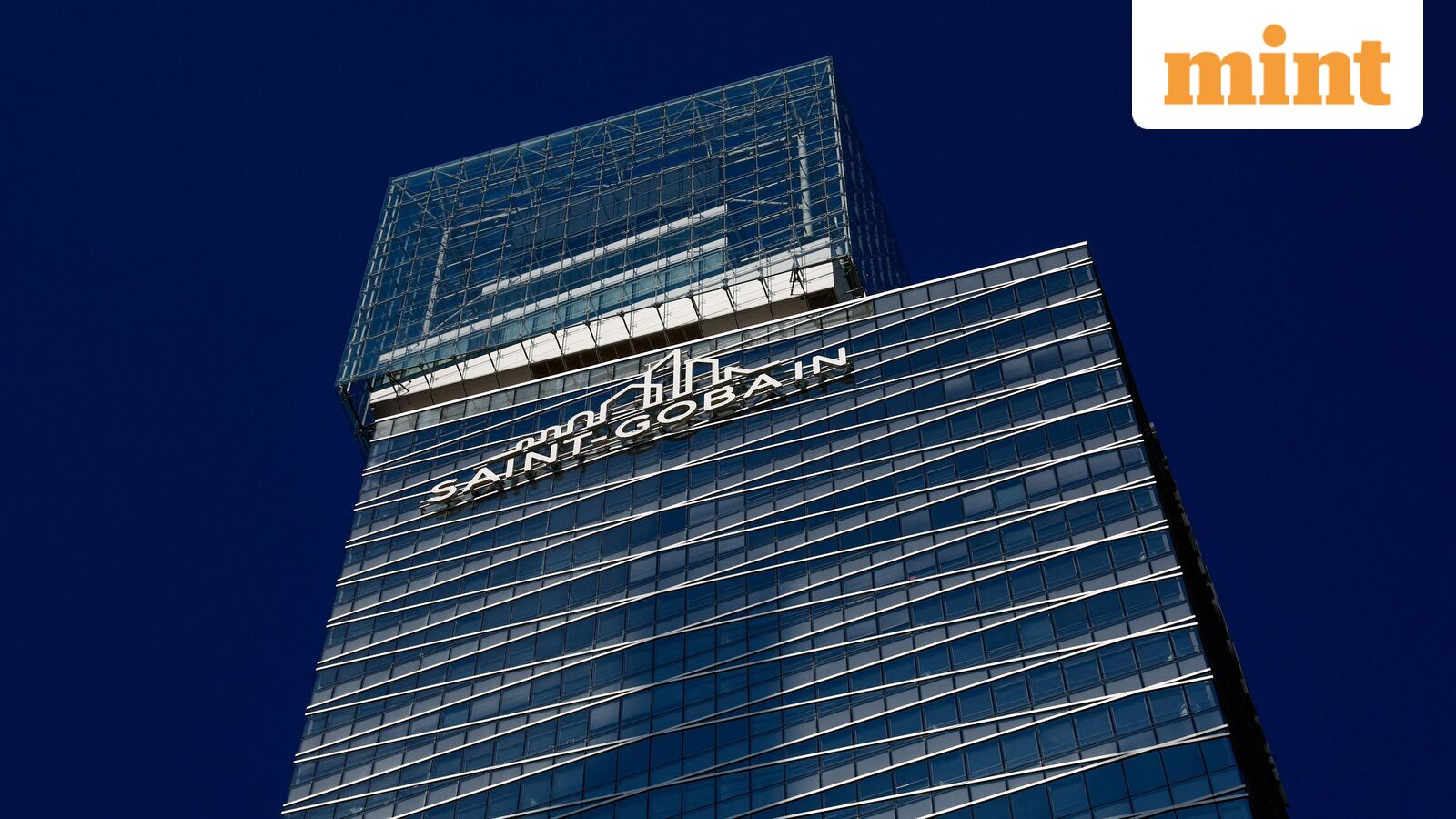
Sreedhar N wants to shift Indian construction from brick to dry walls. The company is training workers, engaging developers, and pushing for tighter building codes.
Continue with
MUMBAI – Saint-Gobain’s India chief Sreedhar N wants to change how the country builds. His top priority since taking the role last April is replacing brick and concrete walls with gypsum boards, glass wool, stone wool and glass – materials that offer better sound and thermal insulation at a fraction of the weight.
“Ever since I have landed here, I’m only doing this,” he said in an interview at the company’s Mumbai office, referring to the campaign.
The French glass and building materials maker dominates India’s gypsum board market. Adoption remains low. Dry walls made from gypsum boards are about 90% lighter than brick walls and provide five times better thermal insulation, according to the company. That can cut both construction and cooling costs over the life of a building.
Sreedhar is working with architects and real estate developers to drive the shift. Saint-Gobain has signed a memorandum of understanding with CEPT University in Ahmedabad to influence upcoming architects. It has also engaged with 20 leading developers including Oberoi Realty and K Raheja Corps to promote its materials. The company is exploring investments in trade schools to train workers in handling gypsum boards and insulation.
Saint-Gobain has stepped up discussions with the central government and state governments to tighten building codes around insulation and material use. That could create a regulatory tailwind for dry-wall construction, which is already standard in the West.
The company also pushes premium glass for better sound and thermal insulation, and construction chemicals for waterproofing. It entered the construction chemicals segment only recently and is relatively small there.