Stocks● Neutral
SAIB Completes SAR 1.85 Billion Tier 1 Sukuk Issuance
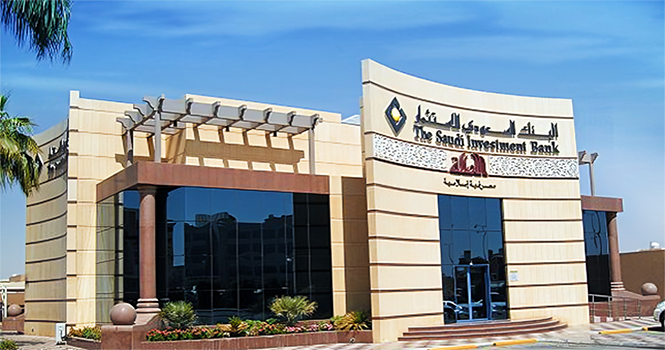
SAIB has finalized a SAR 1.85 billion Tier 1 sukuk issuance to bolster its capital base. The move signals strong local liquidity for regional bank debt.
Continue with
The Saudi Investment Bank (SAIB) finalized the issuance and settlement of SAR-denominated Additional Tier 1 (AT1) sukuk on May 3, raising a total of SAR 1.85 billion. This capital injection serves as a direct mechanism to bolster the bank's regulatory capital base, providing a buffer for future balance sheet expansion and lending capacity.
Capital Structure and Liquidity Impact
For institutional holders, the issuance of AT1 instruments represents a shift in the bank's liability profile. By opting for Tier 1 capital rather than senior debt, SAIB is prioritizing the strengthening of its Common Equity Tier 1 (CET1) ratios without diluting existing shareholders. This move is common among regional lenders looking to optimize capital adequacy ratios under Basel III requirements while maintaining liquidity for domestic credit growth.
The success of this SAR 1.85 billion offering suggests sustained appetite within the local debt markets for high-quality, bank-issued perpetual instruments. Unlike senior debt, these sukuk are perpetual in nature, meaning the bank has the discretion to defer profit distributions, which provides significant flexibility during periods of tightening liquidity or shifting interest rate environments.