Stocks● Neutral
Sable Resources Maps Extensive Copper Corridors at Zorro Target
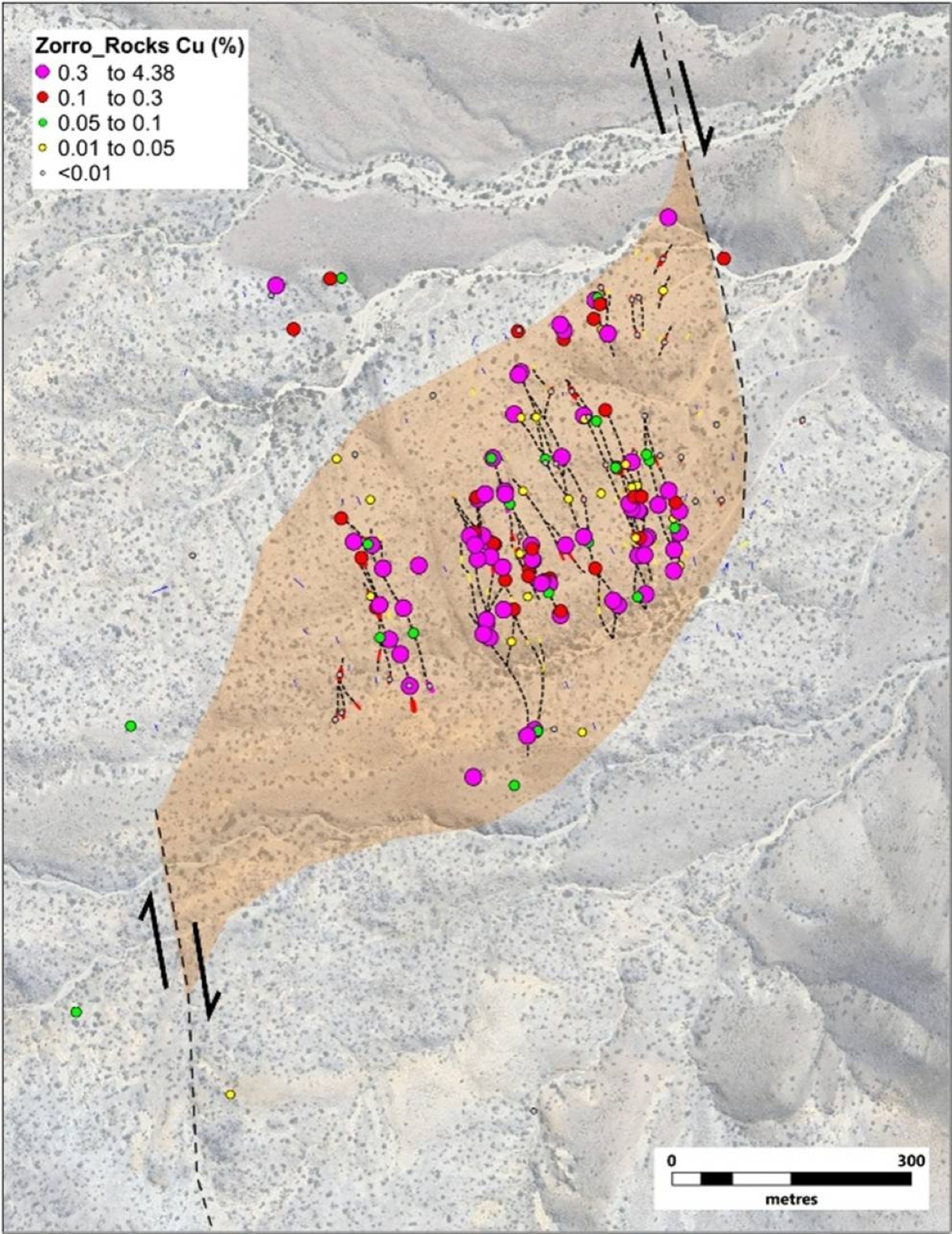
Analysis of 156 rock samples confirms structural mineralization, de-risking the project ahead of planned geophysical surveys and future drill testing.
Continue with
Analysis of 156 rock samples confirms structural mineralization, de-risking the project ahead of planned geophysical surveys and future drill testing.
Sable Resources has confirmed the presence of extensive outcropping copper mineralization across multiple structural corridors at its Zorro target in San Juan, Argentina. The findings follow the completion of detailed structural mapping and the analysis of 156 new rock samples collected from the site. This discovery shifts the narrative for the Zorro project from initial exploration to a more defined structural understanding of the mineralized zones.
The identification of mineralization within specific structural corridors suggests that the copper distribution at Zorro is not isolated but follows a broader geological trend. By mapping these corridors, the company has established a clearer spatial relationship between the surface outcrops and the underlying structural controls. The analysis of the 156 rock samples provides the necessary geochemical validation to support the visual observations made during the mapping phase. This data set serves as the primary evidence for the continuity of copper-bearing material across the target area.
For investors monitoring the broader stock market analysis, the results from Zorro highlight the ongoing activity in the San Juan mining jurisdiction. The ability to define structural corridors early in the exploration process is a critical step in de-risking a project before moving toward more capital-intensive drilling campaigns. The company is now positioned to prioritize specific zones within the corridors that show the highest concentration of copper mineralization.
The Zorro project is part of a larger portfolio that requires consistent geological validation to maintain momentum. The transition from surface-level mapping to structural modeling allows for a more precise targeting strategy for future exploration efforts. The following elements represent the next phase of the project trajectory:
While the current results provide a technical foundation, the next concrete marker for the company will be the announcement of a follow-up exploration program that tests the depth and lateral extent of these identified corridors. The market will look for evidence that these surface findings correlate with subsurface mineralization, which remains the primary hurdle for junior exploration firms. As the company refines its technical narrative, the focus will shift toward demonstrating the economic viability of the structural corridors identified in this latest report. This development mirrors the operational focus seen in other sectors, such as the strategic asset management observed in Credo Technology Group’s Strategic Acquisition of DustPhotonics Assets, where technical alignment drives long-term value.
Drafted by a large language model from the source reporting linked above, then screened by automated publishing checks. It is not read by a journalist before publication. Some articles cite our Alpha Score. Verify prices and figures against the original source. Educational coverage, not personalized advice.