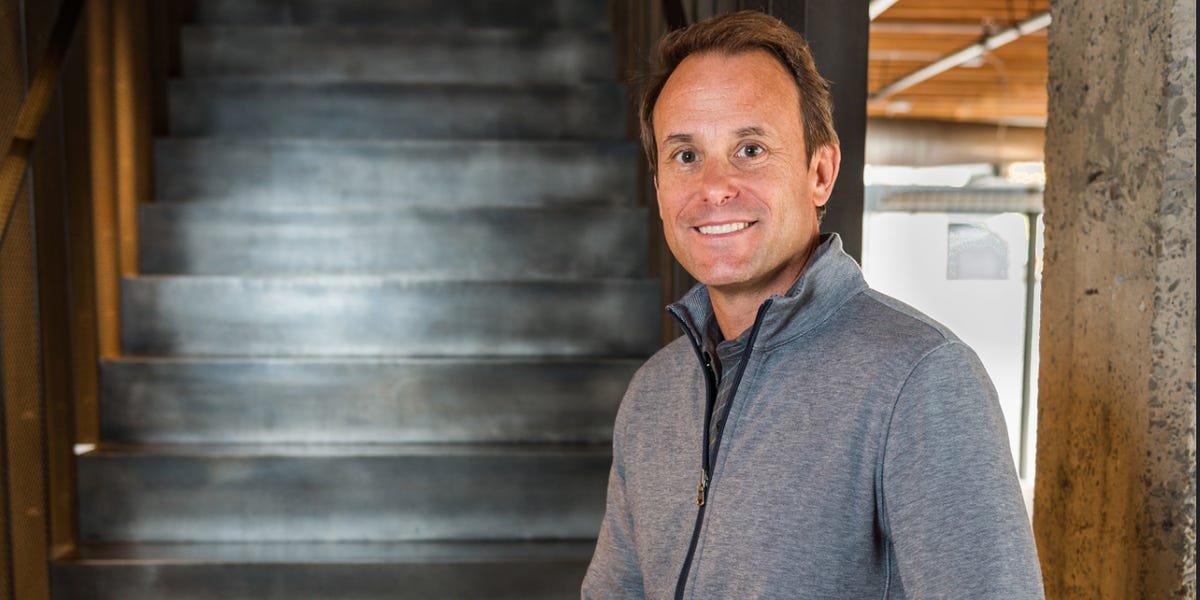
Jason Lemkin, the founder of SaaStr and a prominent voice in enterprise software investing, said he will only back startups that require employees in the office six days a week. The stance aligns him with Flexport CEO Ryan Peterson, who has been vocal about the drawbacks of remote work.
Lemkin, sometimes called the Godfather of SaaS, told an audience that people entering tech face a stark choice. He did not complete the thought in the available remarks. His broader point was clear: founders who want his capital must commit to an in-office culture that goes well beyond the standard five-day week.
The comment lands at a moment when the remote-work debate is far from settled. Many venture-backed startups embraced fully distributed teams during the pandemic to cut real estate costs and access talent anywhere. Public SaaS companies like Salesforce and Zoom have experimented with hybrid models. Lemkin's position suggests that at least one influential investor sees a direct link between physical presence and company performance.
Lemkin built SaaStr into the largest community of SaaS founders and executives. His annual conference draws thousands of attendees. His blog and podcast carry weight with early-stage entrepreneurs. When he speaks about what he looks for in a founder, the market listens.
Peterson, who runs the freight-forwarding giant Flexport, has been equally blunt. He told employees last year that remote work was not working for the company and required a return to the office five days a week. Lemkin's six-day demand goes a step further. It signals that he believes the extra day builds the kind of intensity and collaboration that drives breakout growth.
For founders raising a seed or Series A round, the implication is direct. If Lemkin is the lead investor or a key influencer in a syndicate, a fully remote policy could be a dealbreaker. That does not mean every venture firm shares his view. Firms like A16Z and Sequoia have backed remote-first companies. Lemkin's comment adds weight to the argument that in-office culture remains a differentiator for early-stage SaaS.
The affected companies are not just the ones seeking Lemkin's money. The broader venture ecosystem watches his signals. Founders who pitch other investors may now face questions about their office policy, even if the investor has not publicly taken a side.
Lemkin did not specify how he measures compliance or whether he would accept a four-day in-office schedule with a fifth day of mandatory social events. The six-day requirement is unusual in an industry where even five days is seen as aggressive. Most tech companies that require in-office work ask for three or four days. Lemkin's standard is closer to the pre-pandemic norm at high-intensity startups like Amazon or Tesla, where long hours and physical presence are part of the culture.
The debate over remote work is unlikely to settle soon. Lemkin's stance gives founders a clear signal of what at least one influential investor expects. SaaStr's next conference, scheduled for September in the Bay Area, will likely feature more discussion on the topic.