Stocks● Neutral
Rusty Taco Hits 28 Locations by Ignoring Food Trends
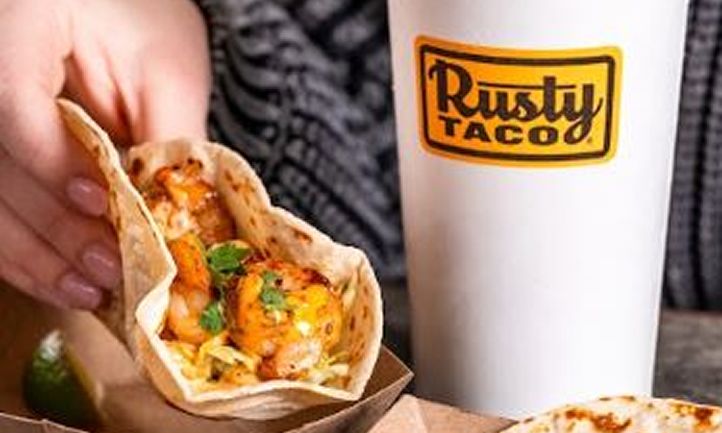
The Dallas fast-casual chain has grown to 28 units over 16 years by sticking to street-style tacos and neighborhood hospitality. President Daniel Smith says consistency, not reinvention, drives expansion into airports and new markets.
Continue with
Rusty Taco has grown to 28 locations across multiple states without chasing food trends. The Dallas-based chain, founded in 2010, has stuck to the same formula: street-style tacos made to order with fresh ingredients, house-made salsas and a neighborhood atmosphere. President Daniel Smith said the brand's consistency, not reinvention, has driven its expansion into airports and new markets.
"Authenticity never goes out of style," Smith said in a statement. "Our guests come to us because they know every taco is made to order with fresh ingredients and bold flavors. They also come because they feel welcome."
The company occupies a narrow slot between a traditional taco stand and a fast-food chain. Meals are prepared to order, not batch-cooked. The menu includes breakfast tacos, burritos, bowls, quesadillas and handcrafted margaritas. Smith described the brand as a place for "neighbors to connect over great food."
Street-style tacos have become one of the fastest-growing segments in fast-casual dining, according to industry data. Rusty Taco's approach emphasizes smaller portions and balanced flavors rather than oversized fillings. The chain's growth has been steady – 28 units over 16 years – without the rapid expansion that often dilutes quality.