Russia is studying the feasibility of a direct rail connection to the Indian Ocean, Deputy Prime Minister Marat Khusnullin said, after military hostilities near the Strait of Hormuz disrupted one of the world's most critical energy chokepoints.
Khusnullin told state news agency TASS that Moscow should examine multiple options for rail connectivity with the Indian Ocean. Routes through Turkmenistan, Iran, Afghanistan and Pakistan are viable, he said, giving freight operators an overland alternative to sea lanes exposed to geopolitical risk.
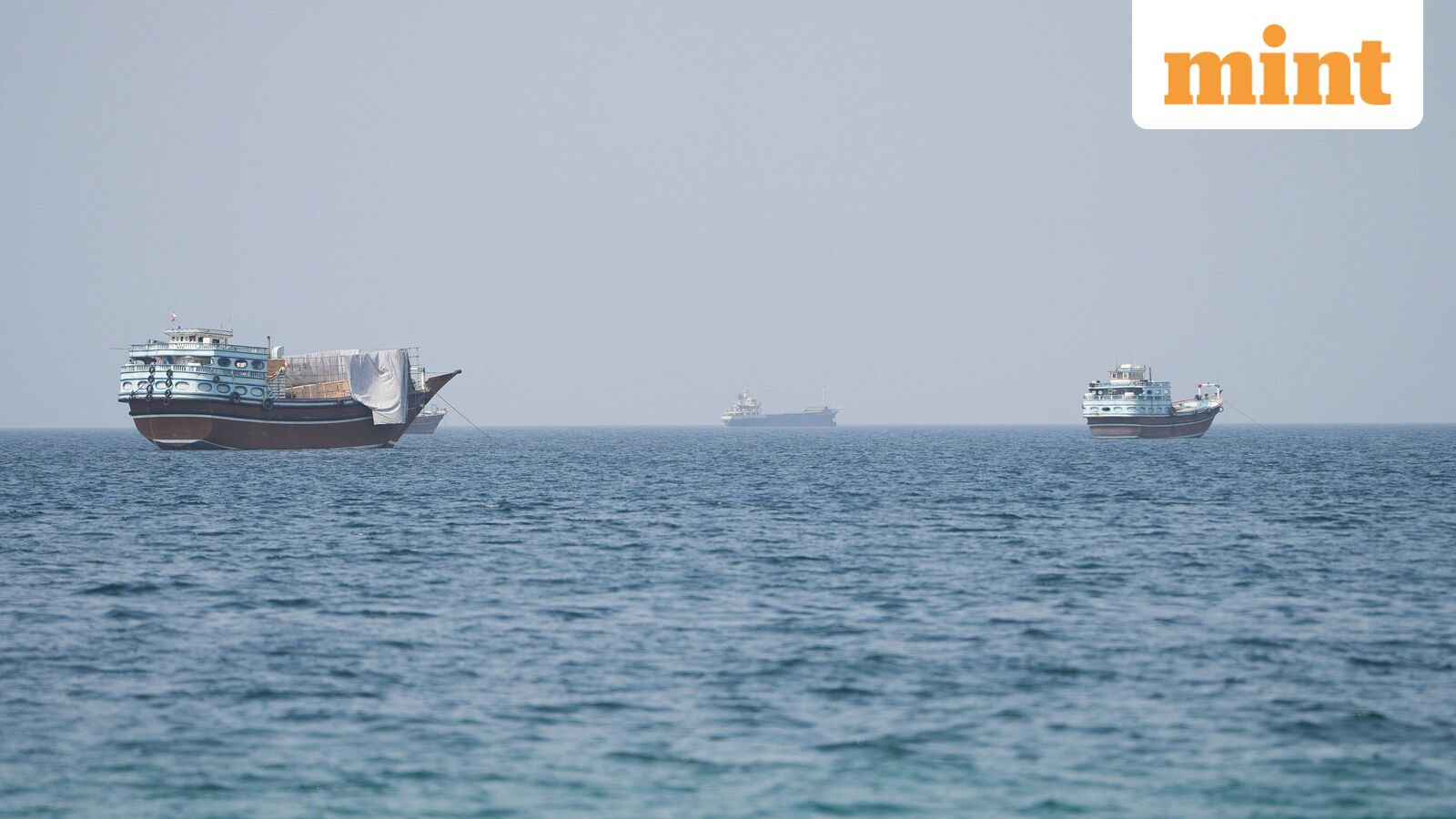
The proposal follows heightened disruption in the Strait of Hormuz after military operations involving the US, Israel and Iran. Iran has imposed restrictions on shipping through the waterway, which carries about a fifth of global oil shipments and a large share of LNG. Analysts said any prolonged disruption there would affect energy prices and supply chains worldwide.
A rail corridor through Central and South Asia could complement Russia's existing efforts to expand land-based trade routes with India and the Middle East. Moscow is already developing the International North-South Transport Corridor, a multimodal route linking Russia to the Persian Gulf via the Caspian Sea and Iran. The proposed rail link would extend that network eastward, providing a second overland option.
For Russia, reducing dependence on maritime chokepoints has grown more urgent. Western sanctions and regional conflicts have complicated conventional shipping. The Bosphorus strait, which connects the Black Sea to the Mediterranean, is a key artery for Russian grain and oil exports. Any disruption there could have immediate consequences for trade flows.
Khusnullin acknowledged the challenges. Building such a corridor would require large infrastructure investment and coordination among multiple governments, he said. Security conditions in Afghanistan and the complex relationships among the countries involved add further uncertainty. Afghanistan has seen a rise in militant activity since the Taliban takeover, while tensions between Iran and Pakistan have periodically flared. The proposal remains at the feasibility stage. No timeline has been set for detailed planning or construction.
One potential corridor would run through Turkmenistan, Iran, Afghanistan and Pakistan before reaching the Indian Ocean and providing onward connectivity to India. Such a route would strengthen economic links between Russia and countries across Central and South Asia. It could also reduce transportation risks associated with the Bosphorus, which has been affected by geopolitical tensions and rising shipping insurance costs.
Traders and logistics firms said the rail link, if developed, could offer Russian exporters a direct overland path to Indian markets. India is a major buyer of Russian crude oil, coal and fertilizers. Since Western sanctions were imposed on Russia, India's crude oil imports from Russia have surged to record levels. Any alternative to sea routes would provide supply-chain flexibility and potentially lower shipping costs.
The corridor would also benefit Central Asian economies. Turkmenistan, which has significant natural gas reserves, could use the rail link to access Indian markets. Iran, already a transit hub for Russian goods heading south, would gain additional trade volumes. Pakistan could use the route to boost its own connectivity and trade with Central Asia.
Khusnullin also spoke about Russia's domestic construction industry. The sector could absorb an additional 1 trillion rubles ($10.6 billion) annually, he said. Sustained financing over five years would let the industry expand capacity and take on more projects, including housing and infrastructure.
The rail proposal reflects a broader push by Russia to diversify its trade infrastructure and reduce exposure to chokepoints vulnerable to disruption. If developed, the corridor could provide an additional route for moving goods toward India while deepening economic ties between Russia and countries along the path.
The plan remains a feasibility study. No commitments have been made on financing, construction timelines, or the specific alignment of the route. The countries involved would need to negotiate transit agreements and cost-sharing, analysts said. Even with political will, the project would take years to complete.